
Doctor Headshots: Professional Photos for Healthcare Profiles
Introduction
Doctor headshots do more than fill a profile slot. They signal competence, calm, and approachability before a patient reads a single credential. Whether your photo sits on a hospital directory, a private practice site, a listing like Healthgrades, or a LinkedIn bio, it shapes the first impression an anxious patient forms about your care.
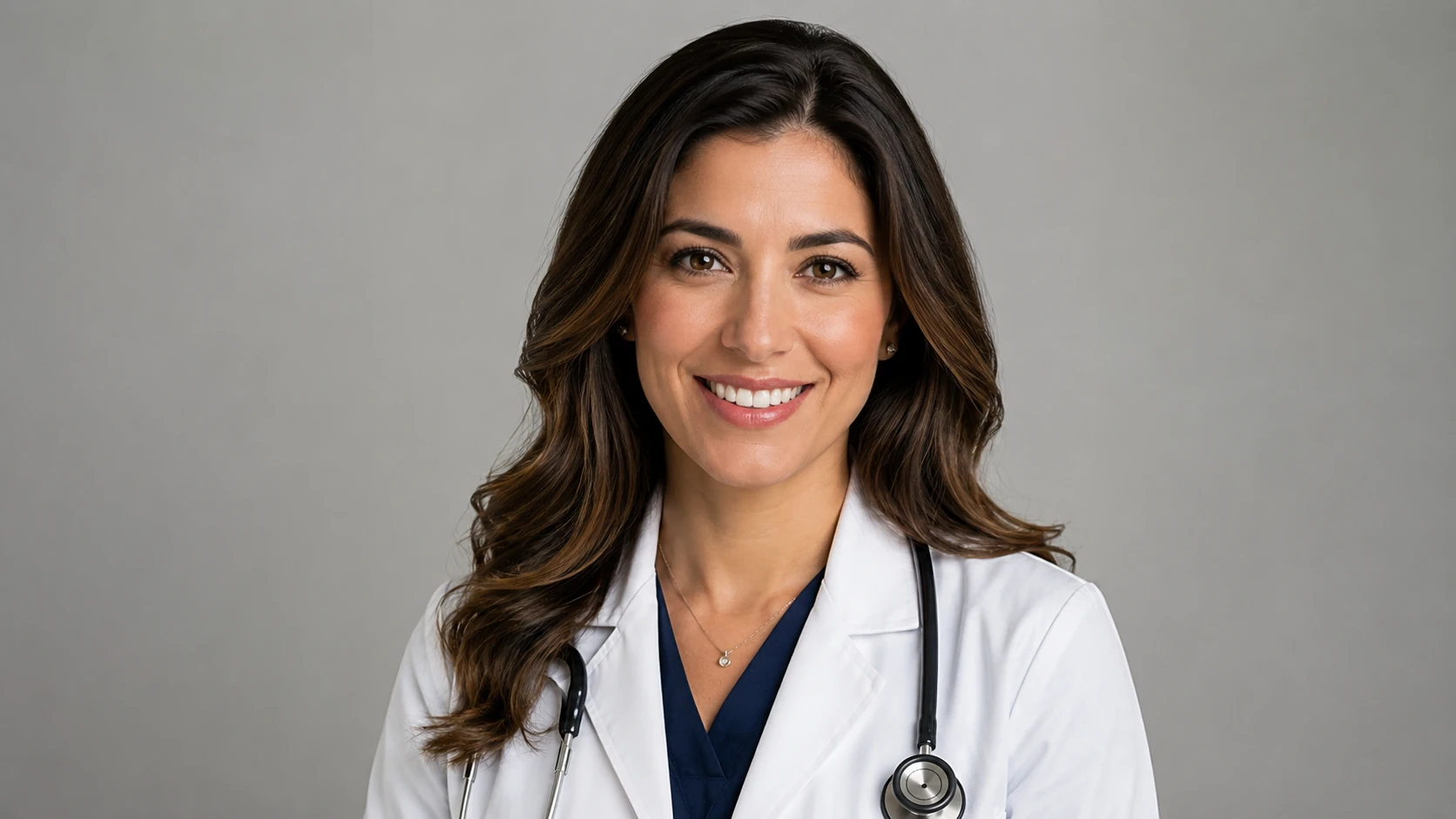
The short answer: good physician headshots pair a clean, well-lit face with attire that matches your specialty and setting, on a neutral background that reads the same across every profile. This guide explains how doctor headshots differ from generic portraits, when to choose a white coat over business attire, how to keep a whole clinic team consistent, and how to prepare medical headshots efficiently without booking a studio for every provider.
Key Takeaways
- Trust first. Patients often choose providers partly on how approachable and credible a photo looks, so warmth and clarity matter as much as polish.
- Attire signals context. A white coat reads clinical and reassuring; business attire suits telehealth, leadership, and consultant roles. Match the setting.
- Consistency scales trust. A clinic with matching backgrounds, framing, and lighting looks organized and reliable across its directory.
- One photo, many profiles. The same headshot should work on a hospital directory, review sites, LinkedIn, and your practice page.
Doctor Headshot Requirements
Medical headshots have a specific job: they need to reduce a patient's uncertainty. Unlike a general corporate portrait, a physician photo is often viewed by someone deciding whether to trust you with their health, sometimes on the same day they need care. That raises the bar on warmth, clarity, and professionalism.
Most healthcare profiles share a few practical requirements. The face should be sharp and evenly lit, framed from roughly the chest up, with a natural, relaxed expression. Backgrounds should stay neutral so the photo works on directories that crop to a circle or square. Directory platforms frequently downsize images, so a clean composition survives compression far better than a busy one.
Attire is the variable that changes most by role. Here is a quick decision frame:
| Setting or Role | Recommended Attire | Why It Works |
|---|---|---|
| Hospital or clinical directory | White coat over solid top | Reads clinical, reassuring, instantly recognizable |
| Telehealth or patient-facing web | White coat or smart business attire | Approachable while still credible |
| Surgeon, specialist, department lead | White coat or scrubs (if authentic) | Signals expertise and setting |
| Therapist, psychiatrist, counselor | Business or business-casual | Warm and personal, less clinical |
| Executive, founder, medical consultant | Business attire | Leadership and personal-brand contexts |
When in doubt, default to the coat for direct patient care and business attire for leadership or advisory profiles.
AI Headshot Strategy for Doctors

Booking a photographer for every provider in a growing practice is slow and expensive, and it rarely produces matching results when people are photographed on different days. An AI workflow solves the consistency problem: each provider uploads a handful of clear source photos, and the system returns polished, uniform headshots for the whole team. If you want to see how this end-to-end process looks in practice, the business headshots AI workflow guide walks through source photos, generation, and selection.
For medical headshots specifically, the strategy is to standardize the variables patients notice: framing, background tone, lighting warmth, and attire. When those stay consistent across a clinic, the directory looks organized and trustworthy rather than pieced together. You can review examples and style options built for physicians on the physician headshots page.
A strong professional photo also carries over to other channels. LinkedIn notes that adding a clear, professional profile photo helps others recognize and connect with you, and the same image can appear on your LinkedIn profile, hospital page, and review sites without reshooting.
Practical strategy notes for medical teams:
- Decide the coat rule up front. Choose one attire standard per department so the directory stays cohesive.
- Lock a background. Soft gray or clean white travels best across cropped thumbnails.
- Keep expressions warm. A relaxed, slight smile reads as approachable; a stiff, closed expression can feel cold to a nervous patient.
- Plan for reuse. Generate one versatile image per provider that fits directories, telehealth cards, and personal bios.
The goal isn't a glamour shot. You want a credible, repeatable portrait that any patient can read in a second.
Create Professional Headshots in Minutes
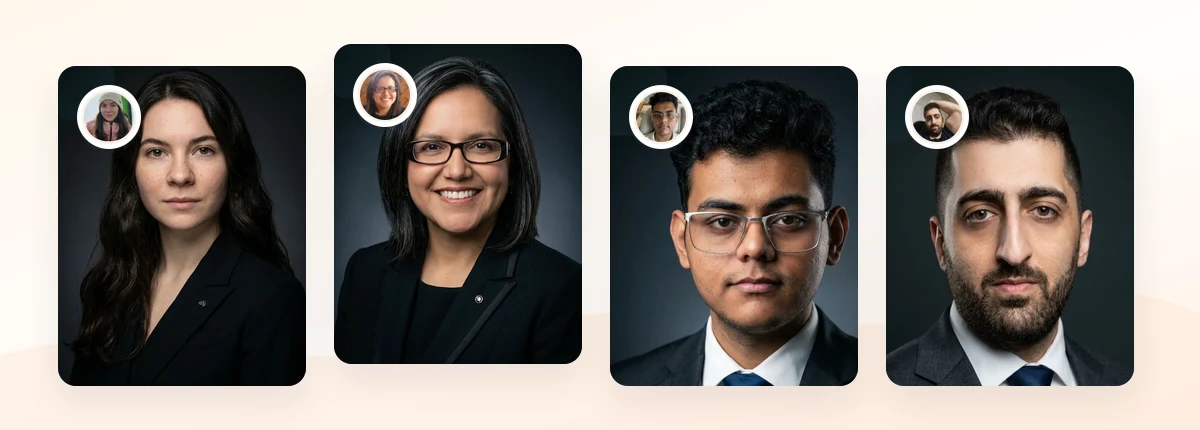
Upload 5-20 everyday photos and get 40-100 polished AI headshots for LinkedIn, resumes, company pages, and executive bios.
15-30 minute delivery • Full commercial rights • One-time payment
Get My Headshots →What Works for Medical Headshots

The best doctor headshots share a few consistent traits. They feel current, clean, and human. They make a patient feel they already know who they are meeting.
Warm, even lighting. Soft light that fills the face without harsh shadows makes you look healthy and approachable. Avoid strong side light that can look severe on a clinical profile.
Neutral, uncluttered backgrounds. White and light gray are the safest choices for directories because they stay clean when cropped to a circle. For a slightly warmer, human feel, a softly blurred clinic or office setting can work. If you are weighing options, the headshot backgrounds guide compares white, gray, and environmental choices in detail.
Attire that matches the audience. A crisp white coat over a solid top is the default for direct patient care; business attire suits telehealth, advisory, and leadership bios. For color and layering choices, the what to wear for professional headshots guide covers what photographs cleanly.
Approachable expression. A relaxed, natural smile, even a subtle one, signals warmth. Patients read a doctor's face for reassurance more than authority.
Consistency across the team. When every provider matches on framing and background, a clinic directory looks organized and dependable. Consistency is one of the most underrated trust signals in healthcare branding.
What to Avoid for Doctor Headshots
A few common mistakes quietly undercut credibility on medical profiles. Most are easy to prevent once you know what to watch for.
- Casual or cropped social photos. A vacation snapshot or group-photo crop looks out of place next to clinical credentials and lowers perceived professionalism.
- Heavy retouching. Over-smoothed skin and altered features read as inauthentic. Patients trust a natural-looking face, not a filtered one.
- Busy or distracting backgrounds. Cluttered rooms, strong patterns, or visible signage compete with your face and crop badly on directories.
- Mismatched team photos. One provider in a studio, another in a hallway selfie, makes a practice look disorganized.
- Patients or protected information in frame. Never include identifiable patients or visible medical records; the U.S. Department of Health and Human Services outlines strict rules for protected health information under HIPAA.
If you plan to use an AI workflow, it is also worth understanding how your source photos are handled. The AI headshot privacy guide covers what to check before uploading.
Step-by-Step: Optimizing Your Doctor Headshot
Here is a practical sequence to prepare medical headshots that look consistent and patient-ready, whether for one provider or an entire clinic.
- Set the standard. Decide attire (coat vs business), background tone, and framing before anyone shoots or uploads. Write it down so every provider follows the same rule.
- Gather clear source photos. For an AI workflow, collect 5-20 recent, well-lit photos per person showing the face clearly from different angles, with no sunglasses or heavy shadows. Clean input drives natural output.
- Choose the right attire. Wear the coat or business top you'll actually use on your profile. Solid colors photograph better than tight patterns.
- Prioritize warm, even light. If taking source photos, face a window or soft light source and avoid overhead-only lighting that casts shadows under the eyes.
- Generate and compare. Produce several options, then narrow to the images with a natural expression, sharp eyes, and a background that matches your team standard.
- Check the crop. Preview how the photo looks as a small circle and square, since most directories and review sites crop that way.
- Deploy everywhere. Use the same approved image on your hospital directory, practice site, review profiles, telehealth card, and LinkedIn for a consistent identity.
- Refresh periodically. Update headshots when your appearance changes meaningfully or every few years to keep profiles current.
Following one shared checklist is what turns a set of individual photos into a directory that looks like a single, trustworthy practice.
Final Thoughts
Strong doctor headshots do one job well: they help a patient feel confident and comfortable before the first appointment. When your medical headshots pair a clear, warm face with attire that fits your setting and a consistent background across the team, your profile earns trust quickly on directories, review sites, and your own practice page.
Start by setting one standard for your clinic, gather a few clean source photos for each provider, and choose a style that matches how and where patients will find you. Physician headshots are one of the simplest, highest-impact upgrades a practice can make. When you're ready to create polished, consistent medical headshots for yourself or your whole team, the CTA below will get you started in minutes.
Create Professional Headshots in Minutes
Upload 5-20 everyday photos and get 40-100 polished AI headshots for LinkedIn, resumes, company pages, and executive bios.
15-30 minute delivery • Full commercial rights • One-time payment
Get My Headshots →Frequently Asked Questions
Should doctors wear a white coat in their headshot?
For direct patient care and clinical directories, a white coat is the safest default because it reads as clinical and reassuring. For telehealth, leadership, or advisory profiles, smart business attire often fits better. Choose based on where the photo will appear and who will view it.
What background works best for physician headshots?
Neutral white or soft gray backgrounds travel best across medical directories because they stay clean when cropped to a circle or square. A softly blurred clinic or office setting can add warmth, but avoid busy or cluttered scenes.
How do I keep a whole clinic's headshots consistent?
Set one standard for attire, background, framing, and lighting before anyone is photographed. An AI headshot workflow makes this easier because every provider's photos are generated to the same specification, even if they upload on different days.
Are AI headshots appropriate for medical professionals?
Yes, as long as they look natural and are not heavily altered. The goal is a credible, accurate likeness. Avoid over-retouching, and always confirm how your source photos are stored and used before uploading.
Can I use the same headshot on multiple profiles?
Yes. A well-composed, neutral headshot should work on your hospital directory, practice website, review sites, telehealth card, and LinkedIn. Reusing one approved image keeps your professional identity consistent across every platform.