What to Wear for Professional Headshots: Men, Women, and Teams

Introduction
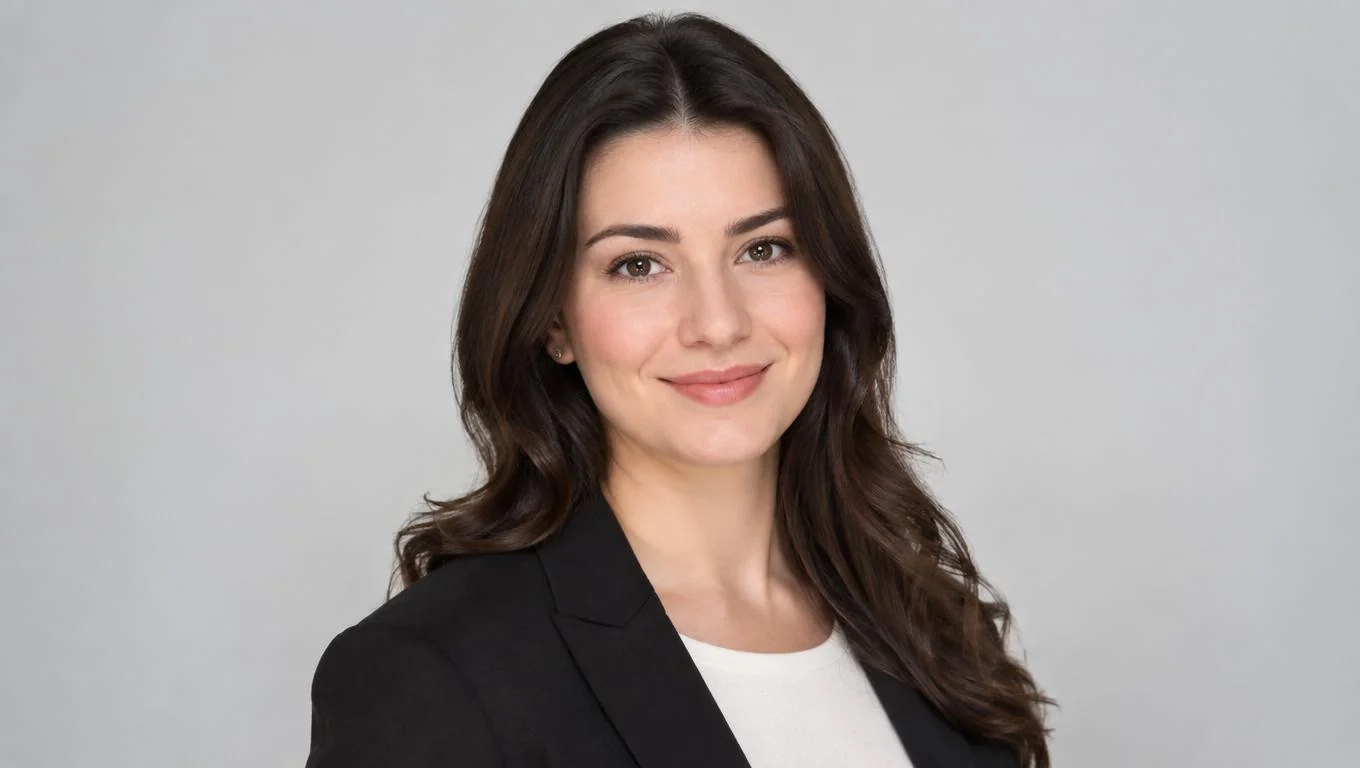
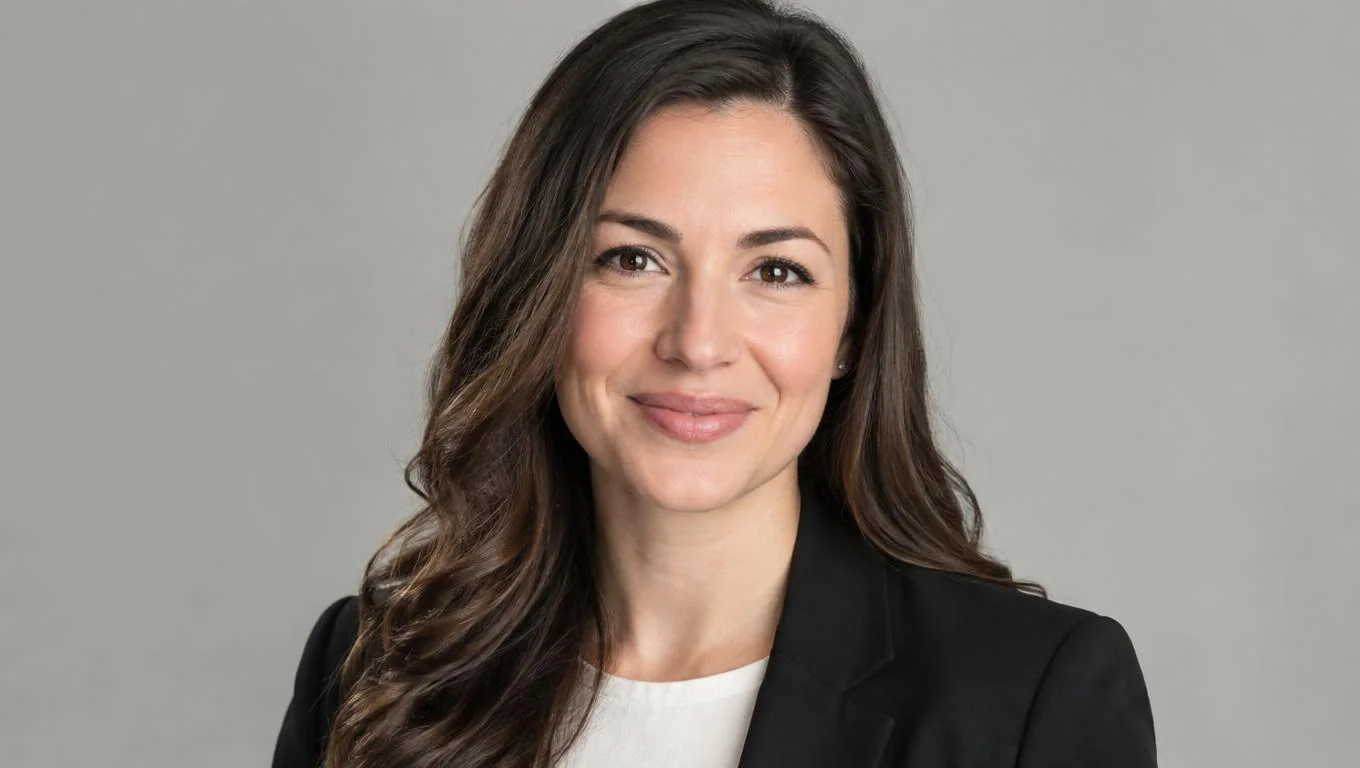
If you are wondering what to wear for professional headshots, the short answer is this: choose solid, mid-tone colors, structured fabrics, and clean necklines that frame your face and look consistent across a team. The clothing closest to your face does most of the work, because a headshot crops tightly and the eye lands on your collar, shoulders, and expression before anything else.
This guide walks you through a practical, step-by-step approach to choosing a headshot outfit for men, women, and full teams. You will learn which colors and fabrics photograph well, how to handle necklines and glasses, when casual beats formal, and a role-specific attire table you can copy directly. By the end, you will know how to prepare professional headshot clothing that produces a polished, credible result, whether you are booking a studio session or shooting source photos at home.
What You'll Need
Before you pick a single shirt, gather a few basics so your shoot goes smoothly:
- Two or three outfit options in solid, mid-tone colors so you can compare on camera.
- A lint roller and travel steamer to remove wrinkles and stray fibers that a tight crop will expose.
- A mirror or phone to check fit at the shoulders and collar, which is where most of the frame lives.
- A neutral reference for your channel: LinkedIn, a company website, a speaker bio, or a directory listing each have slightly different expectations.

If you are also collecting your own input images, get the lighting and framing right first. Our walkthrough on how to get source photos right at home covers camera distance, light direction, and background so your wardrobe choices actually show up clearly.
Step-by-Step Guide
Follow these five steps in order. Each one explains why it matters professionally, not just what to do, so you can adapt the rules to your own role and industry.
Step 1: Choose color before anything else
Color sets the tone of the entire image. Solid mid-tones photograph most reliably: navy, charcoal, deep green, burgundy, slate blue, and soft neutrals read as credible and approachable. Avoid pure white, which can blow out under studio light, and avoid pure black, which can flatten into a shapeless block. Why it matters: a headshot is a trust signal, and clean, intentional color tells a recruiter or client that you prepared. When in doubt, pick a color one shade deeper than you think you need.
Step 2: Pick fabric and texture that hold their shape
Structured fabrics photograph better than thin, clingy, or shiny ones. A matte cotton, a fine knit, or a lightly textured blazer holds its form and avoids the harsh reflections that satin or glossy polyester create. Skip busy patterns, tight stripes, and small checks, which can shimmer or create a distracting moiré effect on camera. Why it matters: texture controls how light wraps around your shoulders, and a clean fabric keeps attention on your face instead of on a wrinkle or a glare.
Step 3: Get the neckline and layering right
The neckline frames your face, so treat it as the most important wardrobe decision. For men, a collared shirt with or without a blazer creates a clear, confident line; a crew neck works for relaxed brands. For women, a structured top, a blazer over a simple shell, or a clean boat or V-neck all frame the face well without competing for attention. Add one layer when you want more authority, and remove it when you want approachability. Why it matters: a strong neckline directs the eye upward to your expression, which is the part of a headshot people actually remember.
Step 4: Handle glasses, jewelry, and details
If you wear glasses every day, wear them in your headshot so you look like yourself. Tilt the frames slightly downward at the temples to reduce glare, and choose anti-reflective lenses when possible. Keep jewelry minimal and non-reflective so it supports the image rather than pulling focus. Why it matters: consistency builds recognition. A profile photo that matches how you actually appear at a meeting or on a video call earns faster trust, which is part of why platforms like LinkedIn recommend a clear, recent photo of just you.
Step 5: Coordinate the team for consistency
For teams, the goal is a cohesive grid, not identical uniforms. Set a simple shared palette (for example, navy, charcoal, and neutral tops), a consistent formality level, and the same background and crop. Let individuals keep their own style within those guardrails so the lineup looks unified but human. Why it matters: a consistent set of business headshots signals an organized, credible company on your website and pitch decks. If you need a repeatable look across a distributed team, you can compare polished business headshot options that keep lighting, framing, and tone consistent without coordinating one studio day for everyone.
Create Professional Headshots in Minutes
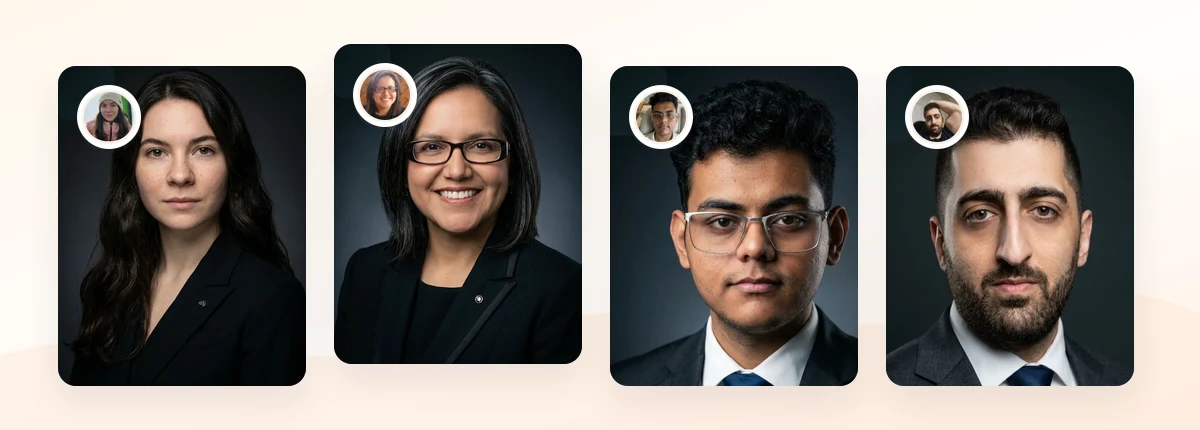
Upload 5-20 everyday photos and get 40-100 polished AI headshots for LinkedIn, resumes, company pages, and executive bios.
15-30 minute delivery • Full commercial rights • One-time payment
Get My Headshots →Pro Tips for Best Results

Once you have the basics, these refinements separate a good headshot from a great one. Use the role-specific table below as a quick reference, then apply the finishing tips beneath it.
| Role / Channel | Recommended attire | Formality |
|---|---|---|
| Corporate / finance / legal | Tailored blazer, solid shirt, optional tie; navy or charcoal | Formal |
| Tech / startup founder | Crew neck, fine knit, or open-collar shirt; deep solid tones | Smart casual |
| Creative / marketing | Textured top or blazer with one accent color; clean lines | Smart casual |
| Healthcare / medical | Solid top under a clean jacket or coat; neutral palette | Polished professional |
| Real estate / sales | Structured blazer, crisp shirt or shell; approachable mid-tones | Polished professional |
| Team / company page | Shared palette, matched formality, identical background and crop | Consistent across the group |
Match formality to your audience, not the calendar. If your clients wear suits, lean formal; if your team works in hoodies, smart casual reads as authentic. Career centers consistently advise dressing one notch above your everyday workplace norm, a principle echoed by university guidance such as Princeton's career resources on professional presentation.
Bring a backup. A second top in a different color gives you options once you see how the first one photographs. Steam everything. Wrinkles are invisible in the mirror and obvious in a tight crop. Mind the shoulders. Make sure jackets sit flat and collars lie clean, because the shoulder line frames your whole face.
Common Mistakes to Avoid
A few predictable errors undermine an otherwise solid headshot outfit. Watch for these:
- Busy patterns and tight stripes that shimmer or distract from your expression.
- Pure white or pure black that either blows out or flattens under strong light.
- Logos, slogans, or large branding that date the photo and pull focus.
- Ill-fitting layers that bunch at the shoulders or gape at the collar.
- Mismatched team looks where formality and background vary wildly across the grid.
- Heavy, reflective jewelry or glare-prone glasses that compete with your eyes.
If your goal is a consistent LinkedIn presence, pair your wardrobe choices with the framing and background rules in our complete 2026 LinkedIn headshots guide so the whole image works together.
Related guides: For next steps, use Corporate Headshots for Teams Without Scheduling a Photoshoot, Actor Headshots vs Business Headshots: What Actually Changes?, and What to Wear for Headshots: By Industry and Skin Tone to connect this advice with the rest of your professional headshot plan.
Final Thoughts
Knowing what to wear for professional headshots comes down to a few durable rules: choose solid mid-tone colors, pick structured fabrics, frame your face with a clean neckline, keep glasses and jewelry simple, and coordinate teams around a shared palette rather than a uniform. Those choices make professional headshot clothing work for you instead of distracting from your expression.
Start by laying out two or three outfit options, steaming each one, and checking your shoulders and collar in the frame. Choose the look that fits your channel and your audience, then let the final conversion happen in the CTA below. A polished, consistent headshot outfit shows credibility and approachability in the half-second before anyone reads a single word about you.
Create Professional Headshots in Minutes
Upload 5-20 everyday photos and get 40-100 polished AI headshots for LinkedIn, resumes, company pages, and executive bios.
15-30 minute delivery • Full commercial rights • One-time payment
Get My Headshots →FAQ
Quick answers to the most common headshot wardrobe questions.
What colors are best for professional headshots?
Solid mid-tones photograph most reliably: navy, charcoal, deep green, burgundy, and slate blue read as credible and approachable. Avoid pure white, which can blow out under bright light, and pure black, which can flatten into a shapeless block.
Should I wear a blazer or keep it casual?
Match your audience. If your clients or industry lean formal, a tailored blazer adds authority. For tech and startup brands, a clean crew neck or open-collar shirt reads as authentic. A good rule is to dress one notch above your everyday workplace norm.
Can I wear glasses in my headshot?
Yes, if you wear them daily, wear them so you look like yourself. Reduce glare by tilting the frames slightly downward at the temples and choosing anti-reflective lenses when possible.
How do I keep team headshots consistent?
Set a shared palette, a single formality level, and the same background and crop, then let individuals keep their own style within those guardrails. The result looks unified but still human across your company page and decks.
What should I avoid wearing for a headshot?
Skip busy patterns, tight stripes, large logos, shiny or clingy fabrics, ill-fitting layers, and heavy reflective jewelry. These distract from your face and undermine an otherwise polished professional headshot outfit.