Lawyer Headshots: How Attorneys Should Balance Authority and Approachability

Introduction
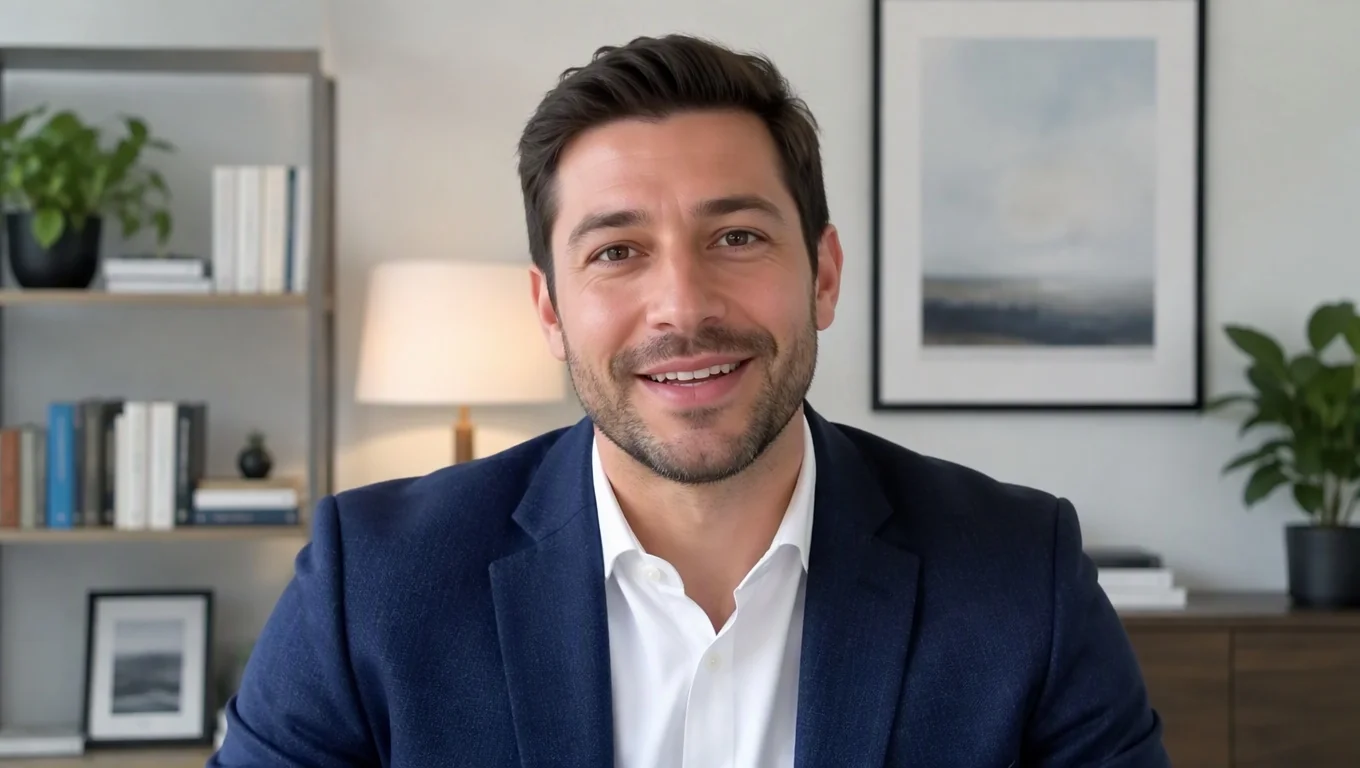
Lawyer headshots have one job that most professional photos do not: they need to signal credibility and trust before a prospective client reads a single word about your practice. Whether you are a solo practitioner on Avvo, a partner on a firm bio page, or an associate building a LinkedIn presence, your face is often the first evidence a client uses to decide whether you are someone they can rely on with a serious problem.
The challenge is balance. Attorneys are expected to look authoritative and precise, but a photo that feels cold or intimidating can quietly push clients toward a competitor who seems easier to talk to. You want a portrait that reads as competent and calm at the same time. This guide walks through what lawyer headshots require, how to keep a firm's images consistent, which backgrounds work, and how your practice area should shape your choices.
Key Takeaways
- Authority first, warmth second: Attorney headshots should establish competence, then soften just enough to feel approachable.
- Consistency signals a real firm: Matching backgrounds, framing, and lighting across a team page builds instant credibility.
- Practice area changes the tone: A family law attorney and a corporate litigator should not use the same expression, wardrobe, or background energy.
- Backgrounds should stay quiet: Neutral, office, or subtly blurred settings keep attention on your face and expression.
Lawyer Headshot Requirements
Legal clients often arrive stressed, skeptical, and comparing several attorneys at once. Your headshot has to do quiet reassurance work: it should say you are experienced, organized, and safe to trust. That standard is higher than for many professions, because the stakes clients bring to you are higher.
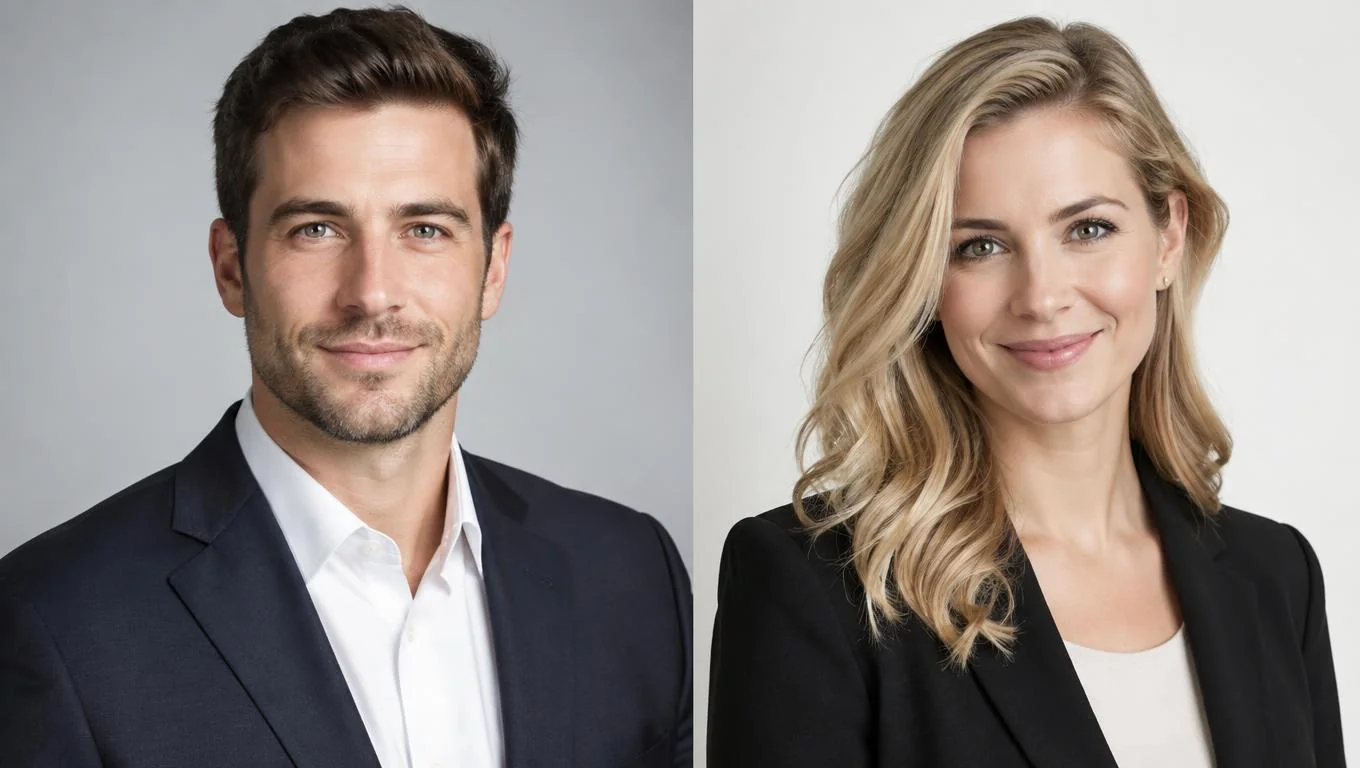
Most lawyer headshots share a few baseline requirements. The framing is typically a tight head-and-shoulders crop, so your expression is easy to read on a small firm-bio thumbnail or a LinkedIn avatar. Wardrobe leans conservative, usually a suit or a structured blazer in navy, charcoal, or another muted tone. Your expression should be composed and confident rather than overly casual.
There is also a compliance dimension. Attorney marketing is governed by rules of professional conduct, and images that imply guaranteed outcomes or misrepresent who you are can create problems. The American Bar Association's Model Rules of Professional Conduct address truthful communication about legal services, so your headshot should be a genuine, current representation of you rather than a heavily stylized version.
Finally, the photo needs to travel well. The same image often appears on your firm site, a bar directory, LinkedIn, legal review platforms, and speaker pages. A clean, neutral portrait adapts to all of those. A trendy or heavily filtered one does not.
AI Headshot Strategy for Attorneys
AI professional headshots have become a practical option for attorneys who need studio-quality results without coordinating a photographer, especially across a distributed firm. The strategy is not to chase a flashy look. It is to reproduce the calm, credible portrait that legal audiences already expect, while keeping every team member visually consistent.
Start with source photos that already resemble your target outcome. Clear, well-lit photos of your face from slightly different angles give the model enough to work with. If you want to see how attorney-specific results are structured, compare examples of lawyer headshots before you upload, so you know which styles fit a legal bio versus a casual profile.
For firms, the biggest advantage is consistency. When several attorneys use the same background, framing, and lighting direction, the team page reads as one coherent brand instead of a collage of mismatched selfies. This is the same principle behind corporate headshots for teams, applied to the specific expectations of a law practice.
A sound AI strategy for attorneys looks like this:
- Define one house style first. Pick a background, wardrobe tone, and expression range before anyone generates images, so the firm stays uniform.
- Keep expressions restrained. A slight, closed-mouth smile or a composed neutral expression usually outperforms a broad grin for legal work.
- Choose neutral or office backgrounds. Avoid dramatic or trendy settings that undercut the seriousness clients expect.
- Review for realism. Check hands, glasses, collars, and skin texture so the final image reads as authentic, in line with truthful-communication expectations.
Used this way, AI generation supports the professional standard rather than replacing it, giving solo practitioners and large firms the same polished baseline.
Create Professional Headshots in Minutes
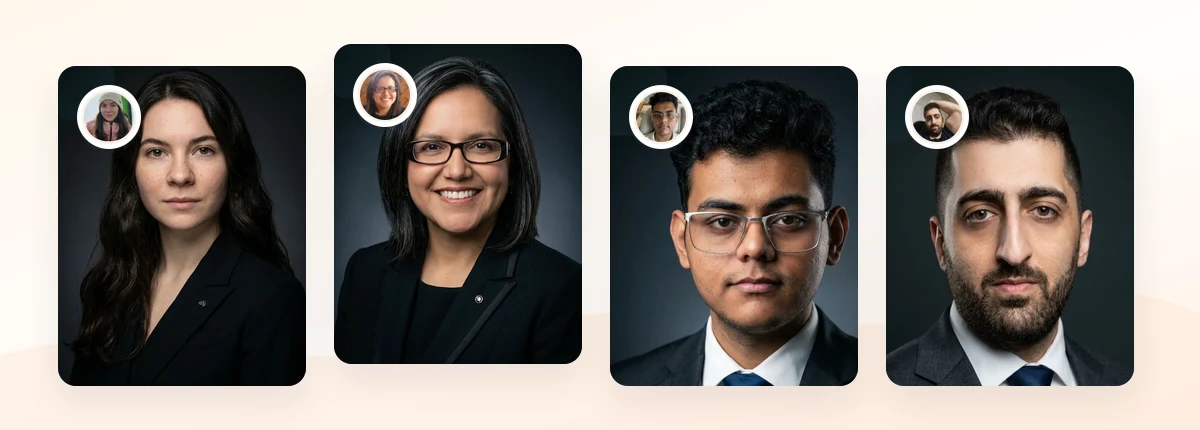
Upload 5-20 everyday photos and get 40-100 polished AI headshots for LinkedIn, resumes, company pages, and executive bios.
15-30 minute delivery • Full commercial rights • One-time payment
Get My Headshots →What Works for Lawyer Headshots

Effective attorney headshots share a recognizable formula, but the details shift with your practice area and audience. The table below shows how tone can flex while staying professional.
| Practice Area | Recommended Tone | Background | Expression |
|---|---|---|---|
| Corporate / M&A | Formal, precise | Neutral gray or office | Composed, confident |
| Litigation | Assertive, steady | Dark neutral or bookshelf | Direct, calm |
| Family / Estate | Warm, reassuring | Soft office or light gray | Gentle, approachable smile |
| Personal Injury | Trustworthy, human | Office or subtle outdoor | Open, empathetic |
Across all of these, a few elements consistently work. Sharp, even lighting keeps your face clear and avoids harsh shadows that can look severe. A tight head-and-shoulders crop reads well at thumbnail size. Wardrobe in solid, muted colors keeps attention on your expression rather than a loud pattern.
Background choice matters more than many attorneys expect. A quiet, uncluttered setting keeps the focus where it belongs. If you are weighing options, the headshot backgrounds guide breaks down when white, gray, office, or outdoor settings each make sense, which maps neatly onto the practice-area differences above.
The unifying idea is intentionality. Every choice, from the tilt of your shoulders to the color of your jacket, should reinforce that you are competent and easy to trust.
What to Avoid for Lawyer Headshots
Certain missteps quietly undermine an otherwise strong attorney headshot. Avoiding them is often easier than getting every positive detail perfect.
- Overly casual settings. A coffee shop, car, or vacation backdrop signals informality that most legal clients do not want in their counsel.
- Heavy filters or retouching. Aggressive smoothing or age reduction can misrepresent you and conflicts with the truthful-representation spirit of professional conduct rules.
- Distracting expressions. A stiff, unsmiling stare can read as cold, while an exaggerated grin can undercut authority. Aim for the calm middle.
- Cluttered or trendy backgrounds. Busy bookshelves, neon lighting, or dramatic gradients pull attention away from your face.
- Mismatched firm photos. When one attorney is outdoors and another is in a studio, the team page loses credibility. Consistency is a trust signal.
Outdated photos are another common issue. A headshot that no longer resembles the person clients meet can create an awkward first impression and, in some contexts, a credibility question. Refresh your image when your appearance changes noticeably. On platforms like LinkedIn, a current, professional photo is part of a complete profile, and LinkedIn's own profile photo guidance emphasizes a clear, recent image of you.
Create Professional Headshots in Minutes
Upload 5-20 everyday photos and get 40-100 polished AI headshots for LinkedIn, resumes, company pages, and executive bios.
15-30 minute delivery • Full commercial rights • One-time payment
Get My Headshots →Step-by-Step: Optimizing Your Lawyer Headshot

Here is a practical sequence to prepare and produce a headshot that fits legal expectations, whether you are a solo attorney or coordinating a full firm.
- Define the audience and platform. A firm bio, a bar directory, and LinkedIn all share the same photo, so plan for a clean, neutral image that works everywhere.
- Set the practice-area tone. Decide whether your work calls for a more formal or more approachable feel, using the practice-area table above as a starting point.
- Choose wardrobe and background. Pick a suit or structured blazer in a muted tone and a quiet background that keeps focus on your face.
- Prepare strong source photos. If you are generating AI headshots, gather clear, well-lit photos from slightly varied angles. The what-to-wear guide can help you plan wardrobe before you shoot source images.
- Generate and review. Produce several options, then check lighting, expression, and realism. Confirm the image genuinely looks like you.
- Match the firm. If you manage a team page, apply one shared style so every attorney matches.
- Deploy consistently. Use the same optimized image across your firm site, directories, and social profiles for a coherent professional identity.
A common mistake at this stage is treating the headshot as an afterthought. Attorneys who plan tone, wardrobe, and background deliberately end up with a portrait that works for years. Executives face the same considerations at a leadership level, and the executive headshots guide is a useful companion if you are a partner or firm leader shaping how the practice presents itself.
Related guide: For a more focused next step, read How to Fix AI Headshots That Look Too Glossy or Unnatural and connect this advice to your wider professional headshot plan.
Final Thoughts
Strong lawyer headshots come down to balance: enough authority to signal competence, enough warmth to feel approachable, and enough consistency to make a firm look established and trustworthy. When you match your tone to your practice area, keep backgrounds quiet, and present a current, genuine image, your photo does real work before a client ever calls.
Start with a small set of clear source photos, choose a style that fits your practice and platform, and settle your firm on one house look so every attorney reinforces the same credibility. A well-planned attorney headshot is a small investment that shapes first impressions across every place clients find you.
When you are ready to create polished, firm-consistent lawyer headshots without booking a studio, the CTA below is the fastest way to get started.
Create Professional Headshots in Minutes
Upload 5-20 everyday photos and get 40-100 polished AI headshots for LinkedIn, resumes, company pages, and executive bios.
15-30 minute delivery • Full commercial rights • One-time payment
Get My Headshots →FAQ
Common questions attorneys ask about professional headshots.
What should a lawyer wear for a professional headshot?
Most attorneys choose a suit or structured blazer in a muted tone such as navy or charcoal, paired with a solid shirt or blouse. Aim for a clean, conservative look that keeps attention on your face and expression rather than a loud pattern.
What background works best for attorney headshots?
Neutral gray, soft office settings, or subtly blurred professional backgrounds work best. They keep the focus on you and adapt well across firm bios, directories, and LinkedIn. Avoid cluttered, trendy, or overly casual backdrops.
How do I keep a whole law firm's headshots consistent?
Define one shared style first, including background, wardrobe tone, framing, and lighting direction, then apply it to every attorney. Consistency across a team page signals an established, trustworthy firm rather than a set of mismatched individual photos.
Are AI headshots appropriate for lawyers?
AI headshots can work well for attorneys when the result is a genuine, current, and professional representation of you. Choose neutral styles, review images for realism, and make sure the final photo honestly reflects your appearance, consistent with professional conduct expectations.
How often should attorneys update their headshots?
Update your headshot whenever your appearance changes noticeably, or roughly every few years. A current image ensures the person clients meet matches the photo they saw, which supports trust and a strong first impression.