Model Headshots: When You Need a Clean Portfolio Portrait
Introduction
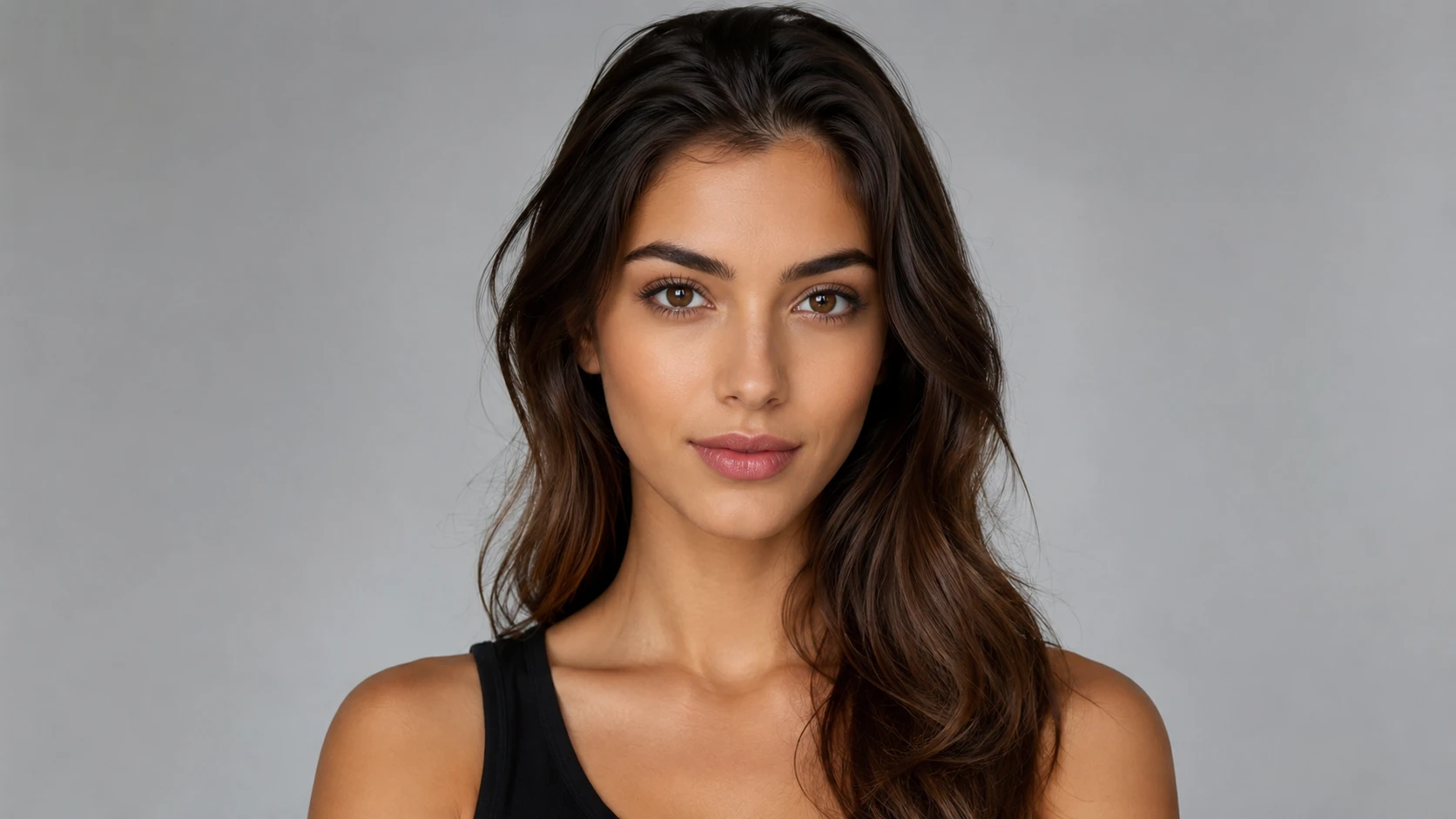
Model headshots have one job: show your face clearly and honestly so an agency, casting director, or client can picture how you photograph. Unlike a LinkedIn photo built for recruiter trust or a corporate portrait built for a team page, a model headshot is a casting tool. It should read as clean, natural, and true to how you look in person on any given day.
That difference matters. Agencies review hundreds of submissions and often reject portraits that hide the face behind heavy makeup, dramatic lighting, or aggressive retouching. Your headshot is the anchor image of a portfolio, and it sets expectations before anyone reads your stats or scrolls your comp card. Below, you will learn what modeling markets expect, how to style and shoot a clean portrait, and how to keep a full portfolio visually consistent so you present as bookable rather than overproduced.
Key Takeaways
- Face first: A model headshot exists to show your face clearly. Keep hair, makeup, and styling minimal so casting can see your real features.
- Natural over dramatic: Agencies generally want clean, well-lit portraits, not editorial fashion drama or heavy retouching that changes how you look.
- Consistency wins: A cohesive portfolio with matching lighting, framing, and tone reads as more professional than a mix of unrelated styles.
- Know your market: Commercial, fashion, fitness, and lifestyle categories have different expectations, so confirm requirements before you shoot.
Model Headshot Requirements
A model headshot is a submission-ready portrait that lets an agency or client evaluate your face, bone structure, skin, and expression at a glance. It usually sits at the top of your portfolio or digital comp card and pairs with full-length and body shots. The headshot is where casting decides whether to keep scrolling.
Most agencies expect a few practical things. Framing typically runs from mid-chest to just above the head, with the face taking up a meaningful portion of the frame. Backgrounds are plain and neutral. Lighting is even and flattering without heavy shadows or colored gels. Above all, the image should look like you on a normal day, not a heavily styled magazine cover.
Requirements vary by category:
| Model Type | Headshot Priority | Common Style |
|---|---|---|
| Commercial / lifestyle | Approachable, relatable expression | Natural light, genuine smile, clean background |
| Fashion / editorial | Strong bone structure and features | Neutral expression, minimal makeup, sharp focus |
| Fitness | Skin tone, jawline, energy | Bright even light, confident expression |
| Beauty | Skin, eyes, lips, symmetry | Tight crop, soft light, clean makeup |
Before you shoot, check the submission guidelines on the agencies you plan to approach. Many list exact framing and file requirements, and following them signals that you are easy to work with.
AI Headshot Strategy for Models
AI headshots can help models build a clean, consistent set of portfolio-supporting portraits quickly, especially for early submissions, personal websites, and social profiles that introduce you before a formal shoot. Use AI where consistency and speed matter most, and reserve on-set photography for the editorial and body work that defines a serious portfolio.
When you generate AI portraits for modeling, prioritize accuracy over polish. The goal is a portrait that looks unmistakably like you, so upload varied source photos with clean lighting, neutral expressions, and clear face visibility. If you want a step-by-step process for capturing usable source images, our guide on taking professional headshots at home walks through framing, light, and background choices that translate directly to strong AI inputs.
For models specifically, you can explore model headshots designed to keep styling minimal and the face fully visible, which is exactly what casting wants to evaluate. Keep these principles in mind:
- Show your true look. Avoid prompts or edits that reshape your face, change skin tone, or add heavy glam. Agencies want the real you.
- Keep backgrounds plain. Neutral gray, white, or soft studio tones read as clean and professional across every category.
- Generate a range. A small variety of expressions and angles gives you options while staying visually consistent.
- Match your market. Warm, approachable results suit commercial work; crisp, neutral results suit fashion submissions.
One honest caveat: AI portraits should support your portfolio, not replace the professional shoots that agencies expect from represented talent. To understand how the technology handles likeness and quality, review how AI headshots work so you can set realistic expectations before you generate. Use AI to present cleanly and consistently while you build toward professional test shoots and agency sign-offs.
Create Professional Headshots in Minutes
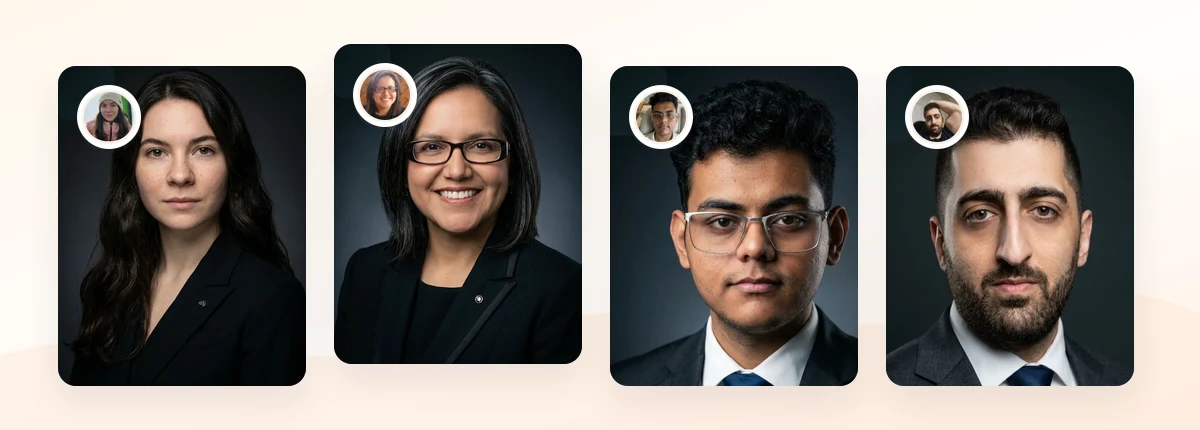
Upload 5-20 everyday photos and get 40-100 polished AI headshots for LinkedIn, resumes, company pages, and executive bios.
15-30 minute delivery • Full commercial rights • One-time payment
Get My Headshots →What Works for Model Headshots

Clean beats clever in modeling. The portraits that get callbacks share a few consistent traits, and they all point back to one idea: make the face easy to read.
Even, flattering light. Soft natural light or clean studio light shows skin texture and bone structure honestly. Avoid harsh shadows across the face or colored lighting that hides your real tone. Casting needs to see how you actually photograph.
A neutral, tidy background. Plain white, gray, or soft neutral backdrops keep attention on you. This mirrors what agencies prefer and what works across submission portals. If you want to compare options, our overview of headshot background choices explains when white, gray, or outdoor tones fit best.
Minimal, natural styling. Light makeup, natural hair, and simple wardrobe let your features lead. Fitted, solid-colored tops in neutral shades photograph cleanly and never compete with your face.
A genuine, relaxed expression. Commercial and lifestyle work rewards approachable warmth; fashion rewards a calm, confident neutral. Either way, the expression should feel natural rather than forced.
Sharp focus on the eyes. Eyes are the connection point. A crisp, catchlit gaze makes a portrait feel alive and bookable.
Consistency across the set. When your headshot, three-quarter, and full-length shots share lighting and tone, the portfolio feels intentional. That cohesion signals professionalism as clearly as any single strong frame.
What to Avoid for Model Headshots
Most rejected submissions fail for predictable reasons. Steer clear of these common mistakes:
- Heavy retouching. Over-smoothed skin, reshaped features, or airbrushed jawlines create a mismatch when you show up in person. Agencies want to sign the real you, not an edited version.
- Dramatic editorial styling. Bold makeup, elaborate hair, and moody gels belong in a shoot, not in a casting headshot. They hide the features casting needs to judge.
- Busy or distracting backgrounds. Cluttered rooms, strong patterns, or scenic locations pull focus away from your face.
- Poor lighting. Deep shadows, blown-out highlights, or dim phone snapshots make it hard to assess skin and structure.
- Sunglasses, hats, or hair over the face. Anything that blocks your features works against the entire purpose of the portrait.
- Filters and beauty apps. Social-style filters distort proportions and signal inexperience to professional casting.
- Group or cropped-friend photos. A headshot should feature you alone, cleanly framed, with no stray arms or cropped shoulders.
If you are unsure whether your look leans commercial or editorial, note that these categories reward different energy. Our comparison of actor headshots versus business headshots explains how expression and styling shift by purpose, which helps you calibrate the right tone for modeling submissions.
Step-by-Step: Optimizing Your Model Headshot

Use this sequence to build a clean, submission-ready model portfolio portrait.
- Confirm requirements first. Check the framing, background, and file specs listed by the agencies or platforms you plan to submit to. Match them exactly.
- Choose your category. Decide whether you are presenting commercial, fashion, fitness, or beauty. This shapes expression, styling, and lighting.
- Prep grooming and wardrobe. Keep makeup natural, hair off the face, and wardrobe simple in solid neutral tones. Bring a fitted top that flatters your neckline.
- Set clean lighting. Use soft, even light on the face. Diffused window light or a simple studio setup avoids harsh shadows and color casts.
- Frame the shot. Crop from roughly mid-chest to just above the head, with the face prominent and the eyes near the upper third.
- Capture a range. Shoot a relaxed neutral, a soft smile, and a confident look. Vary the angle slightly to give casting options.
- Retouch lightly. Correct temporary blemishes and even the exposure, but keep skin texture, freckles, and true features intact.
- Match the set. Edit every portfolio image to the same tone and brightness so the collection reads as consistent.
- Get a second opinion. Ask a booked model, agent, or trusted photographer whether the portrait looks like you and reads clean.
Following this order keeps the process efficient and produces a portrait that shows your face honestly, which is exactly what a strong model headshot needs to do.
Create Professional Headshots in Minutes
Upload 5-20 everyday photos and get 40-100 polished AI headshots for LinkedIn, resumes, company pages, and executive bios.
15-30 minute delivery • Full commercial rights • One-time payment
Get My Headshots →Final Thoughts
Good model headshots do one thing well: they show your face clearly and honestly so casting can picture how you photograph. By keeping styling minimal, lighting clean, and your true look intact, you give agencies exactly what they need to evaluate you, and a consistent portfolio makes that evaluation feel effortless.
Start by confirming submission requirements, choosing the category that fits your look, and capturing a small range of clean, well-lit expressions. Whether you build with a professional shoot or generate polished portraits to support your portfolio, prioritize accuracy over drama. When you are ready to create a cohesive set of clean, submission-ready portraits, use the CTA block above to get started, and keep every image true to how you look in the room.
FAQ
What is the difference between a model headshot and a fashion editorial shot?
A model headshot is a clean, honest portrait meant to show your real face for casting and submissions. An editorial shot is a styled, creative image for a magazine or campaign. Agencies want the clean headshot first so they can evaluate your natural features.
Should model headshots be smiling or neutral?
It depends on your category. Commercial and lifestyle modeling rewards a warm, approachable smile, while fashion and editorial submissions often prefer a calm, confident neutral. Capturing both gives you flexibility when submitting to different agencies.
How much retouching is acceptable for a model portfolio headshot?
Keep it light. Correct temporary blemishes and even out exposure, but preserve skin texture, freckles, and your true bone structure. Heavy retouching creates a mismatch when you appear in person, which agencies actively avoid.
Can I use AI-generated headshots for model submissions?
AI headshots can support early submissions, personal websites, and social profiles when they look accurately like you. However, most represented talent still needs professional test shoots and body work, so treat AI portraits as a clean, consistent supplement rather than a full replacement.
What background works best for model headshots?
Plain, neutral backgrounds like white, gray, or soft studio tones work best because they keep attention on your face. Avoid busy locations, strong patterns, or scenic backdrops that distract from your features and clutter the frame.