Nurse Headshots: Professional Photos for Healthcare Profiles

Introduction
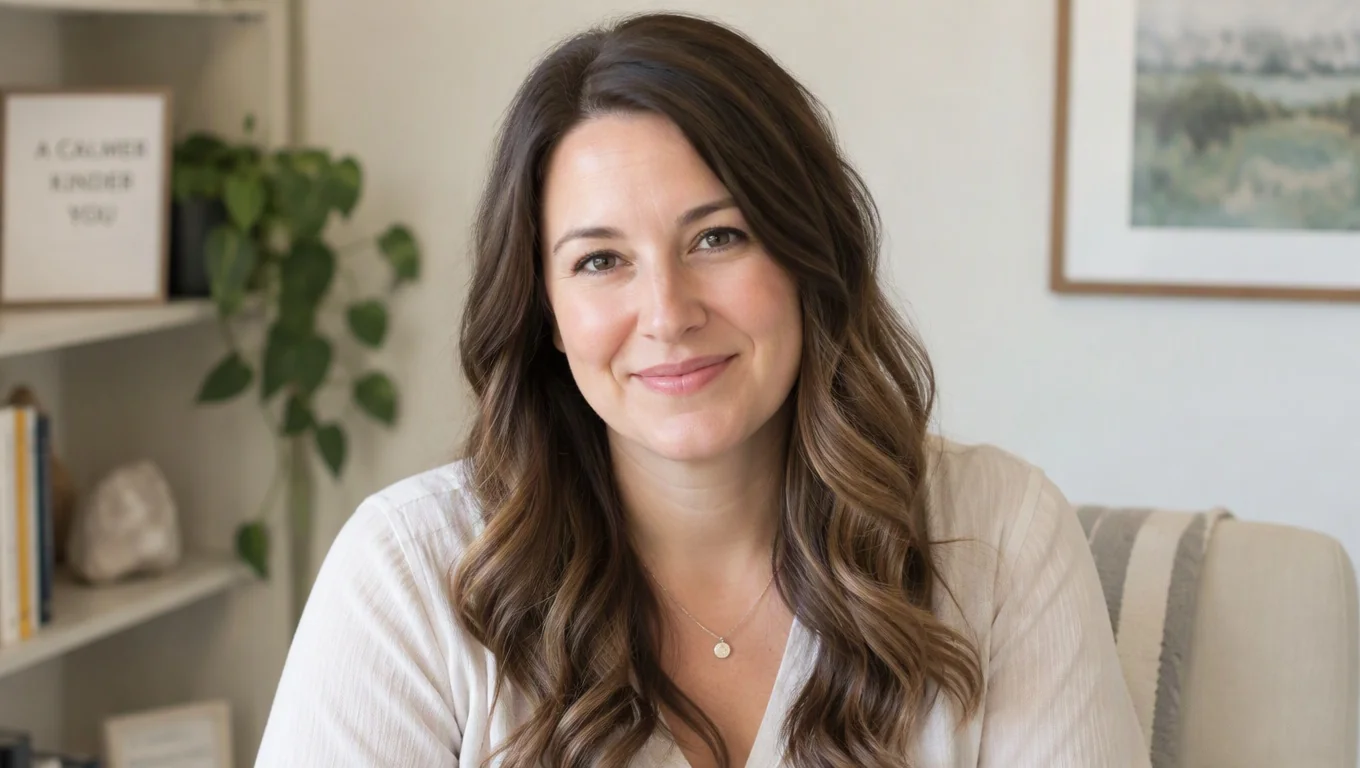
Nurse headshots need to signal two things at once: clinical competence and genuine warmth. Whether you are updating a hospital staff directory, applying for a travel-nurse contract, or building a LinkedIn presence, your photo is the first thing a patient, hiring manager, or colleague sees. A clear, approachable headshot helps people trust you before you say a word.
Most nurses ask the same question: should you wear scrubs or business attire? It depends on where the photo lives. A hospital directory or badge usually favors scrubs or a clinical look, while a resume or professional networking profile often reads better in a clean, business-casual top. This guide walks through the specs, the wardrobe decision, what works, what to avoid, and a repeatable workflow you can finish in an afternoon.
Below you will find role-specific guidance built for nurses, not generic portrait tips.
Key Takeaways
- Match attire to the platform. Scrubs or a clinical look suit hospital directories and badges; business-casual tops work better for resumes and LinkedIn.
- Keep it clean and current. Neutral backgrounds, soft even light, and a natural expression beat heavy editing or dated studio poses.
- Check your facility specs first. Many hospitals require a specific crop, background color, or file size for badges and directory systems.
- One good source set goes far. A small batch of clear photos can produce several styles: one for your badge, one for your profile, one for networking.
Nurse Headshot Requirements

Nursing headshots show up in more places than most professions. Each destination has slightly different expectations, so it helps to map them before you shoot anything.
Hospital directories and badges are the most constrained. Many health systems run their badge and intranet photos through a specific template: a square or passport-style crop, a plain background (often white or light gray), and shoulders-up framing. Some require you to wear scrubs or your department uniform; others simply ask for a professional appearance. Always confirm the file format, resolution, and background rule with your HR or badging office before you upload anything.
Job applications and resumes vary by region. In the United States, most employers prefer no photo on a resume to reduce bias risk, while international and some travel-nursing agencies may request one. If a photo is expected, a polished business-casual headshot usually fits best.
LinkedIn and professional networking reward approachability. Recruiters for nursing roles, nurse educators, and clinical leaders use these profiles to gauge credibility, so a warm, confident expression matters as much as the outfit.
The table below summarizes the typical expectations by destination.
| Destination | Typical attire | Background | Framing |
|---|---|---|---|
| Hospital directory / badge | Scrubs or clinical uniform | Plain white or gray | Square, shoulders-up |
| Resume (if requested) | Business casual | Neutral, soft | Head and shoulders |
| LinkedIn / networking | Business casual or smart scrubs | Neutral or subtle office | Head and shoulders |
| Nurse agency / travel contract | Clinical or business casual | Plain | Follow agency spec |
AI Headshot Strategy for Nurses
Nurses rarely have time to book a studio session between shifts, and that is exactly where an AI headshot workflow earns its place. You upload a set of ordinary photos, and the tool generates polished portraits in several styles. The strategy is less about the technology and more about giving it the right inputs for a healthcare context.
Start by deciding how many looks you actually need. Most nurses do well with two or three: a clinical look for the badge and directory, and a business-casual look for networking or job profiles. Generating multiple styles from one source set is a major advantage, because you can reuse the same photos for very different destinations without re-shooting.
The quality of your result depends heavily on your source photos. Use clear, recent images with even lighting, your face unobstructed, and a neutral expression. If your facility expects scrubs on the badge, include a few source photos actually wearing scrubs so the generated clinical look stays accurate. The same principle applies to the guidance in our headshots for healthcare professionals, where clinical credibility and approachability both carry weight.
Be realistic about the limits. AI headshots can occasionally over-smooth skin or exaggerate lighting, which reads as inauthentic in a profession built on trust. Review each result for natural skin texture, correct uniform details, and a believable background. If something looks too glossy, regenerate or pick a different frame rather than publishing it. Our guide on how to fix AI headshots that look too glossy or unnatural covers the specific tells to watch for.
Finally, verify commercial and privacy terms before uploading. Patient-facing roles carry a higher bar for professionalism, so you want full rights to use the images across your badge, directory, and public profiles without surprises.
Create Professional Headshots in Minutes
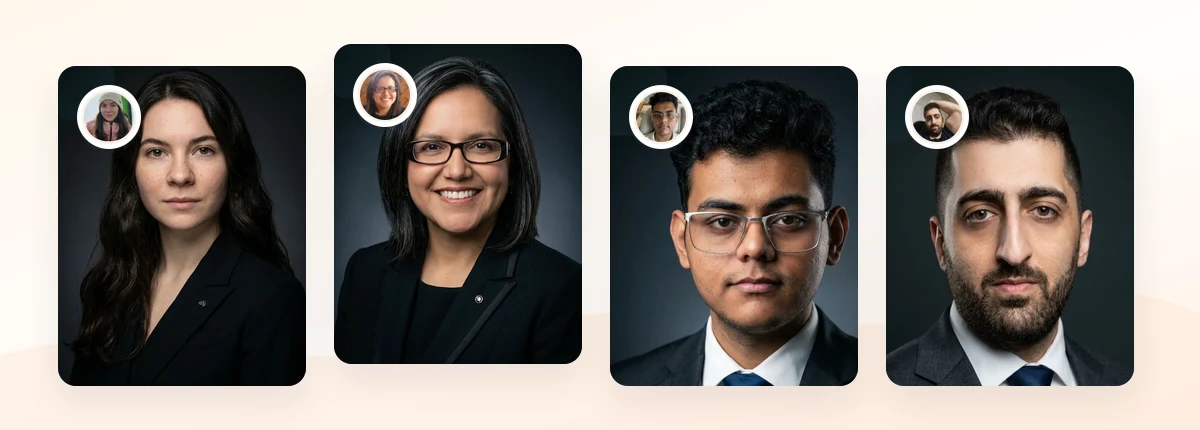
Upload 5-20 everyday photos and get 40-100 polished AI headshots for LinkedIn, resumes, company pages, and executive bios.
15-30 minute delivery • Full commercial rights • One-time payment
Get My Headshots →What Works for Nurse Headshots
Certain choices consistently read as professional and trustworthy in healthcare. These hold true whether you shoot with a camera or generate your photos.
A calm, warm expression. Patients and colleagues respond to approachability. A relaxed, closed-mouth smile or a soft, friendly expression signals that you are both competent and kind. Avoid a forced grin or an overly stern look.
Clean, neutral backgrounds. White, light gray, or a softly blurred clinical setting keeps the focus on your face. Busy backgrounds compete for attention and often fail badge-system requirements.
Appropriate attire for the destination. For badges and directories, pressed scrubs or your department uniform look crisp and on-brand for the facility. For resumes and LinkedIn, a solid business-casual top in a neutral or muted color photographs cleanly. If you want one versatile set, generate both.
Even, flattering light. Soft front light reduces harsh shadows and keeps skin tones natural. Natural window light or diffused studio light both work well.
Simple, tidy details. Keep hair neat, minimize distracting jewelry, and make sure any lanyard or badge in the frame sits straight. If you wear a stethoscope for a clinical look, position it naturally rather than staging it stiffly.
For color and fabric choices by skin tone and role, our breakdown of what to wear for professional headshots is a useful companion to this section.
What to Avoid for Nurse Headshots
A few common mistakes undercut otherwise good nursing headshots. Avoiding them is easier than fixing them later.
- Casual selfies and group-photo crops. A phone selfie or a face cropped out of a party photo rarely meets directory standards and reads as unpolished for a clinical role.
- Over-edited, airbrushed skin. Heavy retouching that erases pores and texture looks artificial. In a trust-based profession, authenticity matters more than flawless skin.
- Distracting backgrounds. Hallways, equipment, patient rooms, or anything that could suggest a privacy issue should stay out of frame. Keep it neutral.
- Wrinkled or stained scrubs. If you choose a clinical look, make sure the uniform is clean and pressed. Visible stains or heavy wrinkles cheapen the whole photo.
- Inconsistent styles across platforms. Using a formal business photo on your badge and a casual snapshot on LinkedIn confuses your professional identity. Keep lighting and tone consistent even if the attire changes.
- Ignoring facility specs. Submitting the wrong crop, background color, or file size often means your photo gets rejected or auto-cropped badly. Check the requirements first.
Step-by-Step: Optimizing Your Nurse Headshot

Here is a practical workflow you can complete without taking time off work.
- Confirm your specs. Ask your HR or badging office for the required crop, background color, file format, and resolution for the directory and badge. Note any attire rules while you are at it.
- Decide your looks. Most nurses need a clinical look (scrubs or uniform) for internal systems and a business-casual look for external profiles. Plan both.
- Gather clean source photos. Collect 5 to 20 recent, well-lit photos with your face clearly visible and a neutral expression. Include a few in scrubs if you need a clinical look. For capturing good inputs at home, our guide on taking professional headshots at home covers lighting and framing basics.
- Generate your headshots. Upload your source set and produce several styles. Pick backgrounds and attire that match each destination.
- Review for authenticity. Check each result for natural skin texture, correct uniform details, straight framing, and a believable background. Discard any that look over-smoothed or distorted.
- Crop to spec. Create a square, shoulders-up version for the badge and directory, and a slightly wider head-and-shoulders version for LinkedIn and resumes.
- Upload and verify. Submit the correct file to each system and confirm it displays as intended. Badges and directory thumbnails sometimes crop more aggressively than you expect.
Expected outcome: a consistent, professional set of nurse headshots that satisfies your facility's badge and directory rules while giving you a polished image for job applications and networking.
Create Professional Headshots in Minutes
Upload 5-20 everyday photos and get 40-100 polished AI headshots for LinkedIn, resumes, company pages, and executive bios.
15-30 minute delivery • Full commercial rights • One-time payment
Get My Headshots →Final Thoughts
Strong nurse headshots do one job well: they help patients, colleagues, and recruiters read your competence and warmth in a single glance. Match your attire to the platform, scrubs or uniform for the badge and directory, business casual for resumes and LinkedIn. Keep backgrounds clean and expressions natural, and you present a credible, approachable image everywhere your photo appears.
Start with a small set of clear source photos, confirm your facility's specs, and generate the two or three looks you actually need. If you work alongside physicians or other clinicians, the same approach in our healthcare headshot guidance keeps your whole team's profiles consistent. When you are ready to create your own nursing headshots, the CTA block below walks you through the fastest path.
Frequently Asked Questions
Common questions nurses ask about professional headshots for healthcare profiles.