What to Wear for Headshots: By Industry and Skin Tone
Introduction
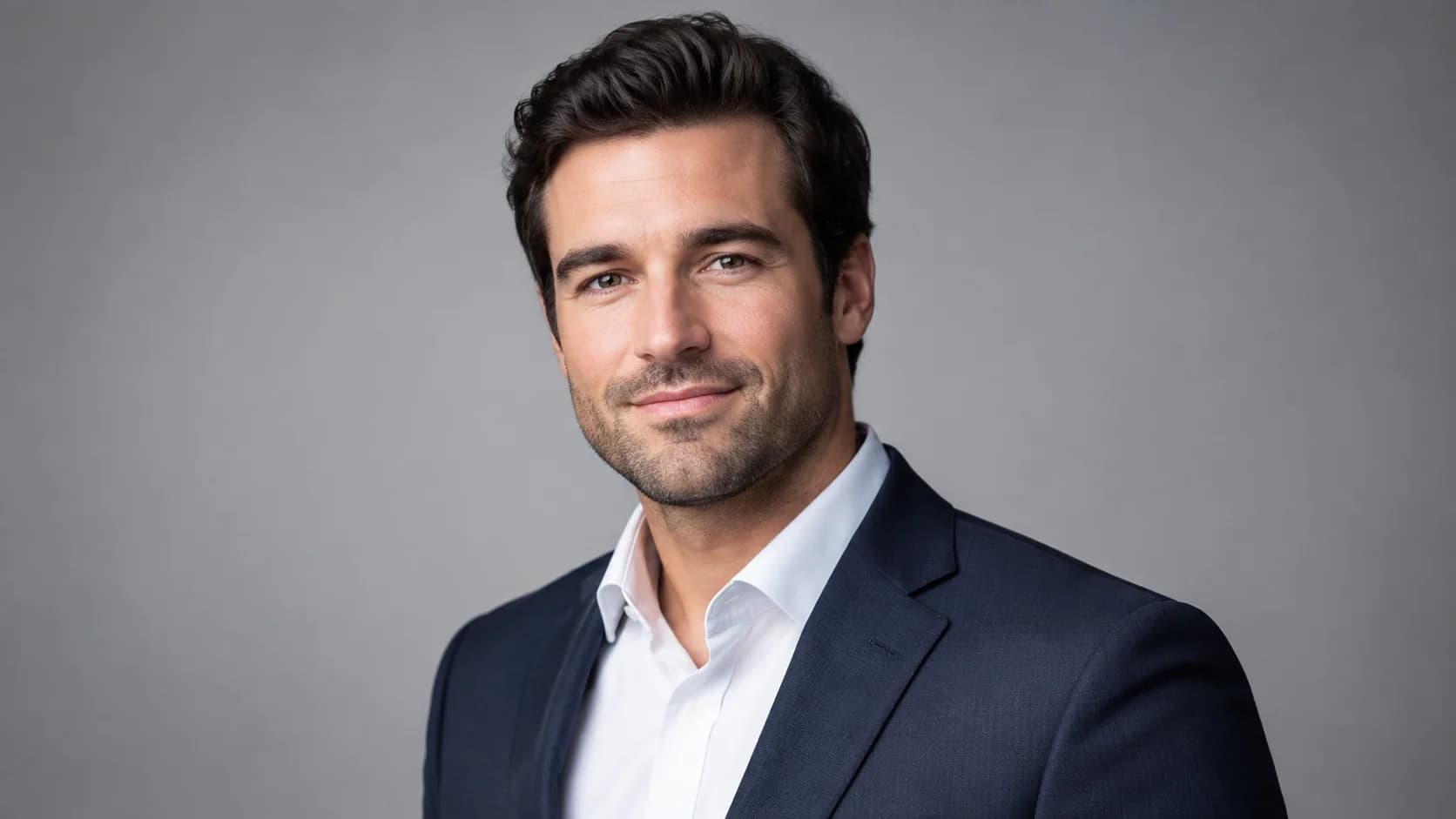
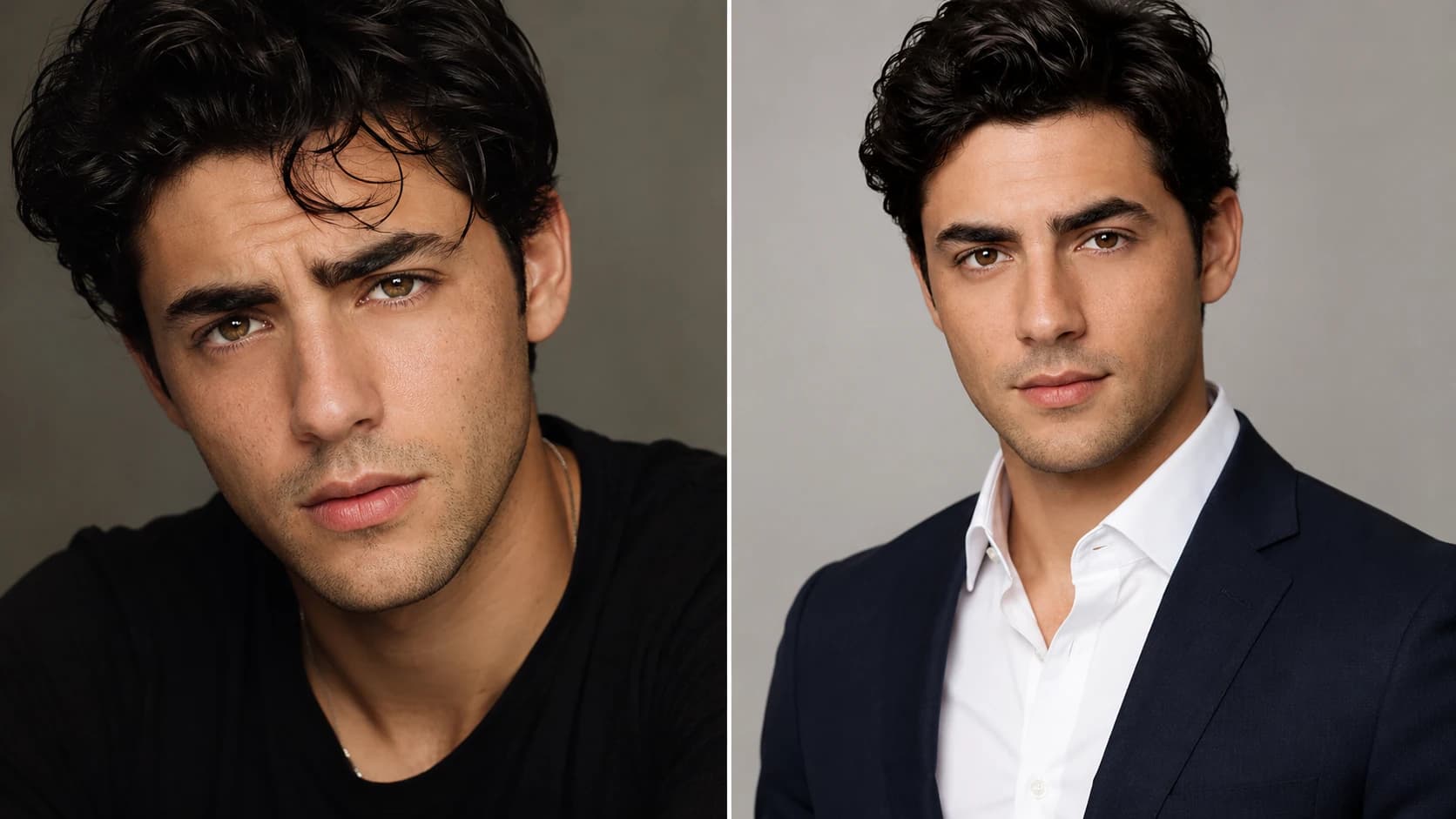
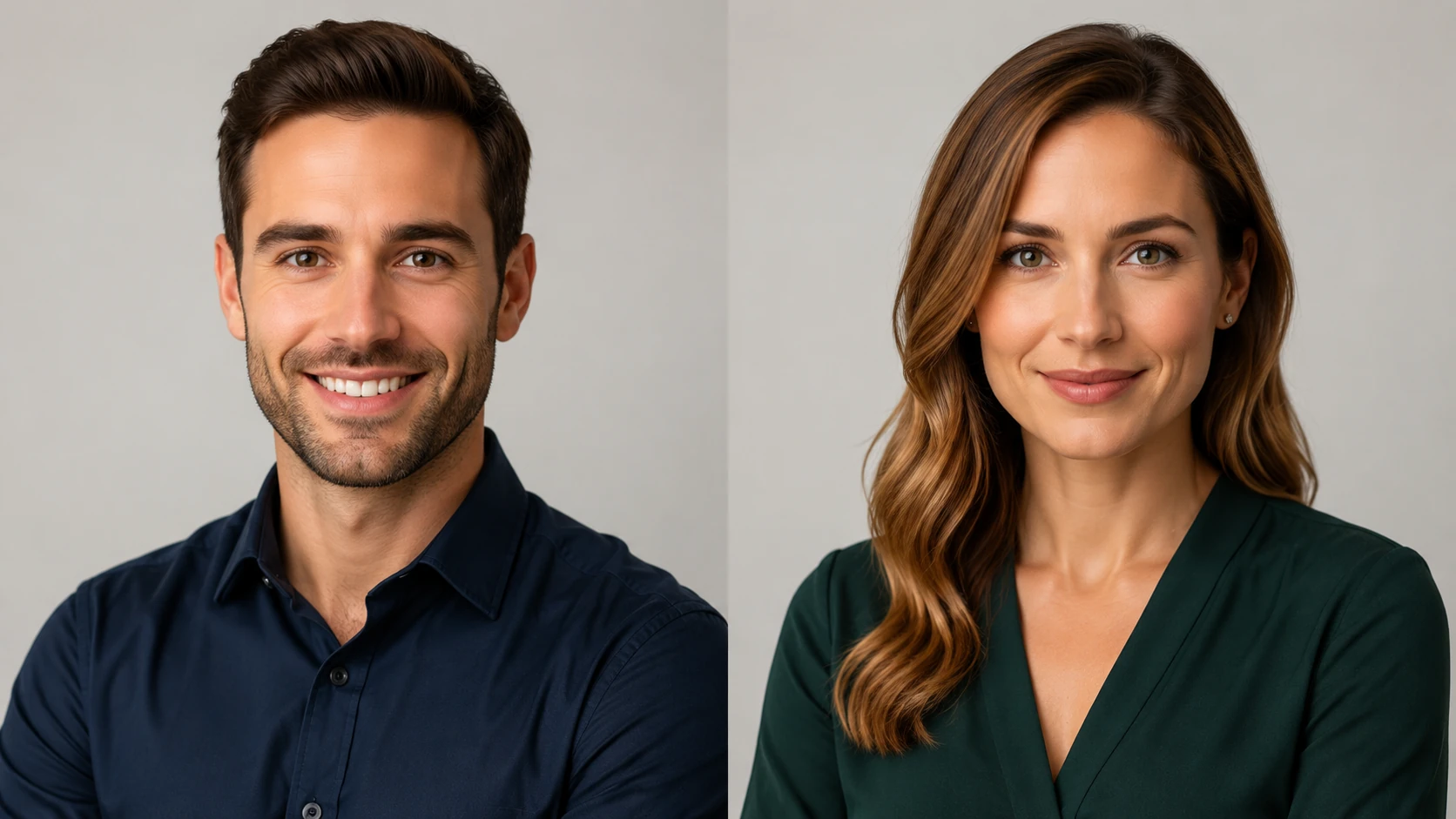
Deciding what to wear for headshots comes down to three things: a color that flatters your skin tone, a neckline that frames your face, and a level of formality that matches your industry. Solid, mid-saturation colors in a fabric that holds its shape almost always photograph better than busy patterns or thin knits. Get those right and the rest is easy.
Your outfit does quiet work before anyone reads your title. It signals whether you fit a boardroom, a clinic, a listing page, or a startup deck. That is why generic "wear a blazer" advice falls short: what to wear for headshots changes by role, audience, and even the display size of the photo. This guide gives you concrete choices by industry and by skin tone, plus a checklist and a note on AI headshots so you can prepare with confidence.
Key Takeaways
- Match formality to your field. Finance and law lean structured and dark; healthcare and real estate lean approachable; tech and creative fields allow smart-casual.
- Choose color by contrast, not just preference. Aim for a top that contrasts gently with both your skin and the background so your face stays the focal point.
- Solids beat patterns. Fine stripes, small checks, and shiny fabrics can shimmer or distract at profile-photo size.
- Fit and neckline matter more than brand. A well-fitted, clean neckline frames your face; anything baggy or fussy pulls attention away.
What to Wear for Headshots: Core Rules by Industry
Every good headshot outfit follows the same base rules, then flexes for your field. Start with a solid color, a fabric that drapes cleanly, and a neckline that sits well on camera. From there, adjust formality to the expectations of the people who will see the photo.
A quick way to calibrate: picture the most senior person your audience deals with. Dress one notch toward their expectations without overshooting. A pediatric nurse and a corporate attorney both want to look credible, but credible looks different for each.
| Industry | Recommended attire | Avoid |
|---|---|---|
| Finance, law, executive | Structured blazer, collared shirt, dark or navy tones | Loud patterns, casual knits, open collars for formal bios |
| Healthcare | Clean scrubs, a soft blazer, or a collared shirt in calm colors | Heavy accessories, distracting logos |
| Real estate, sales | Smart-casual blazer or crisp blouse, approachable mid-tones | Overly stiff formalwear that feels distant |
| Tech, startup, creative | Well-fitted sweater, casual blazer, or quality solid top | Slogan tees, wrinkled fabrics, anything too corporate |
| Consulting, coaching | Polished blazer with a relaxed shirt underneath | Extremes at either end of formality |
If you want to see how these choices play out across roles, the what to wear for professional headshots guide breaks down men's, women's, and team wardrobes in more detail.
Choosing Colors by Skin Tone

Color is where most people overthink or underthink. The goal is gentle contrast: your top should separate from both your skin and your background so your face reads as the focal point. Too little contrast and you blend into the frame; too much and the clothing competes with you.
Use the table below as a starting point, then trust your eye. Photograph a few options against a plain wall in natural light and compare which one keeps attention on your face.
| Skin tone | Flattering colors | Use with care |
|---|---|---|
| Fair / cool | Navy, burgundy, emerald, soft blue, charcoal | Pale pastels that wash you out; stark white next to fair skin |
| Fair / warm | Teal, olive-adjacent greens, warm blue, cream | Neon or highly saturated brights |
| Medium / olive | Jewel tones, deep green, plum, warm grays | Mustard or muddy tones that echo the skin |
| Deep / rich | Bright white, cobalt, ruby, mustard, saturated jewel tones | Dark browns and blacks that flatten depth against dark backgrounds |
For deeper skin tones, avoid pairing a black top with a very dark background unless your lighting clearly separates the two. For fair skin, a pure-white top under strong light can blow out; a soft blue or gray is safer. If your headshot will sit on a company site or personal brand page, matching color to your headshot background choice keeps the whole frame cohesive. When you want a versatile, general-purpose look that works across LinkedIn, resumes, and team pages, business headshots favor mid-tone solids that flatter most skin tones without demanding a wardrobe overhaul.
Create Professional Headshots in Minutes
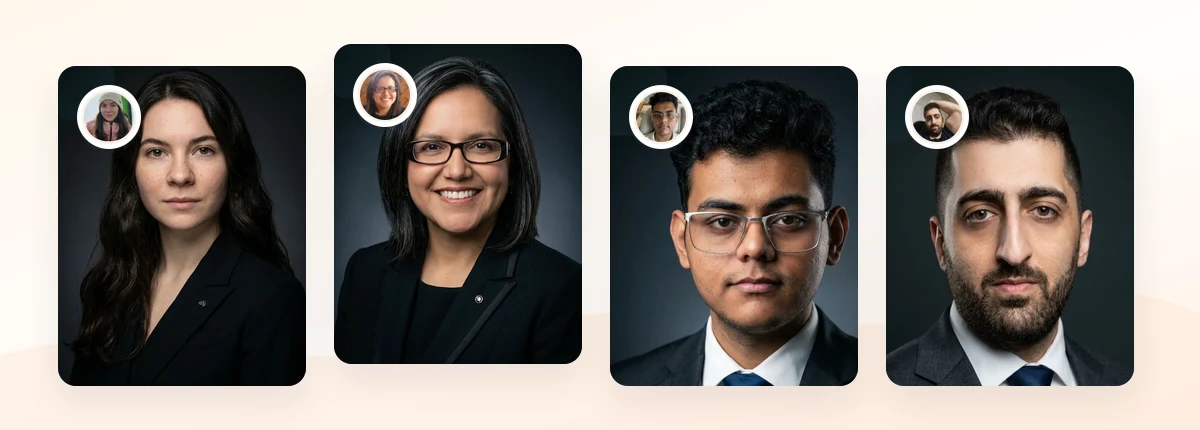
Upload 5-20 everyday photos and get 40-100 polished AI headshots for LinkedIn, resumes, company pages, and executive bios.
10-30 minute delivery • Full commercial rights • One-time payment
Get My Headshots →What Works for Headshot Outfits
The strongest headshot outfits share a few traits. They keep the eye on your face, hold their shape on camera, and match the channel where the photo will live. Here is what consistently works.
- Solid, mid-saturation colors. They photograph cleanly at small sizes and rarely clash with backgrounds.
- Structured fabrics. A blazer, a firm knit, or a pressed shirt holds a clean line. Thin or clingy fabric can look sloppy.
- Simple, flattering necklines. Collars, crew necks, and modest V-necks frame the face without fuss.
- Fit that skims, not squeezes. Tailored shoulders and sleeves read as intentional and confident.
- Minimal, purposeful accessories. One quiet piece can add personality; a pile of them competes with your face.
Platform context matters too. LinkedIn's own guidance emphasizes a clear, current photo where your face is the focus, which is easier to achieve with a clean solid top than a busy print. You can review the details in LinkedIn's profile photo help documentation. For roles where you also want to signal leadership, the executive headshot guide shows how formality shifts at senior levels.
What to Avoid for Headshot Outfits

A few common choices quietly undermine an otherwise good photo. Most are easy to fix once you know to watch for them.
- Busy patterns. Fine stripes and small checks can create a shimmering moiré effect at profile-photo size. University career centers routinely advise sticking to solids for professional photos, as noted in Columbia University's career guidance.
- Shiny or reflective fabrics. Satin and sequins bounce light unpredictably and pull focus.
- Loud logos or slogans. They date the photo and distract from you.
- Extreme necklines. Very low or very high cuts crop awkwardly in a tight frame.
- Ill-fitting layers. Bulky collars or oversized shoulders add visual weight where you want a clean line.
- Color that matches your background. A gray top on a gray backdrop erases your outline.
When in doubt, simplify. A plain, well-fitted top in a flattering color rarely goes wrong, while a bold experiment can miss in ways that are hard to fix after the shoot.
Step-by-Step: Planning Your Headshot Outfit
Use this sequence to prepare so you are not deciding at the last minute.
- Define the destination. LinkedIn, a resume, a company bio page, a medical directory, or a listing site each carry slightly different expectations. Start there.
- Set your formality level. Match your industry using the table above, then dress one notch toward your audience's expectations.
- Pick two color options. Choose solids that flatter your skin tone and contrast gently with a neutral background.
- Check fit and neckline. Try each option on and confirm shoulders sit clean and the neckline frames your face.
- Do a phone test. Photograph both options against a plain wall in daylight. Compare which keeps attention on your face.
- Prep the details. Press the fabric, keep accessories minimal, and have a lint roller handy.
- Bring a backup. A second top gives you flexibility if the first reads oddly on camera.
A note on AI headshots: If you are generating AI headshots, the same wardrobe logic still applies, because most tools build your look from the clothing in your source photos. Upload images that already show the neckline, color, and formality you want on the final result. Solid tops in flattering tones give the model the cleanest signal and reduce odd blending around collars. If your first results look off, the guide to fixing unnatural AI headshots covers common cleanup steps.
Final Thoughts
Knowing what to wear for headshots is less about rules and more about intention. Choose a solid color that flatters your skin tone, a fabric that holds a clean line, and a formality level that fits your industry and audience. Those three decisions do most of the work, and the industry and skin-tone tables above give you a reliable starting point for each.
Before your session, define where the photo will live, test two options on your phone, and keep accessories quiet so your face stays the focus. Whether you book a photographer or generate AI headshots, prepared wardrobe choices lead to a polished, credible result you will actually want to use across LinkedIn, your resume, and your company page.
Create Professional Headshots in Minutes
Upload 5-20 everyday photos and get 40-100 polished AI headshots for LinkedIn, resumes, company pages, and executive bios.
10-30 minute delivery • Full commercial rights • One-time payment
Get My Headshots →Frequently Asked Questions
What color should I wear for a headshot?
Choose a solid, mid-saturation color that contrasts gently with both your skin tone and your background. Navy, deep green, burgundy, and soft blue flatter most people, while very pale or very dark tops can wash you out or flatten depth depending on your skin tone and lighting.
Should I wear a suit or blazer for headshots?
It depends on your industry. Finance, law, and executive roles benefit from a structured blazer or suit, while tech, creative, and some sales roles look natural in a smart-casual sweater or collared shirt. Match the formality your audience expects rather than defaulting to the most formal option.
Can I wear patterns in a headshot?
Avoid busy patterns. Fine stripes and small checks can create a shimmering effect at profile-photo size, and shiny fabrics reflect light unpredictably. Solids keep attention on your face and photograph cleanly across platforms.
What should I wear for an AI headshot?
Wear what you want the final result to show, since most AI tools build your look from your source photos. Solid tops with a clean neckline and a flattering color give the model the clearest signal and reduce odd blending around collars.
How do I pick an outfit color for deeper skin tones?
Bright white, cobalt, ruby, mustard, and saturated jewel tones tend to flatter deeper skin tones. Be cautious pairing a black top with a very dark background unless your lighting clearly separates you from the backdrop, so your outline stays crisp.