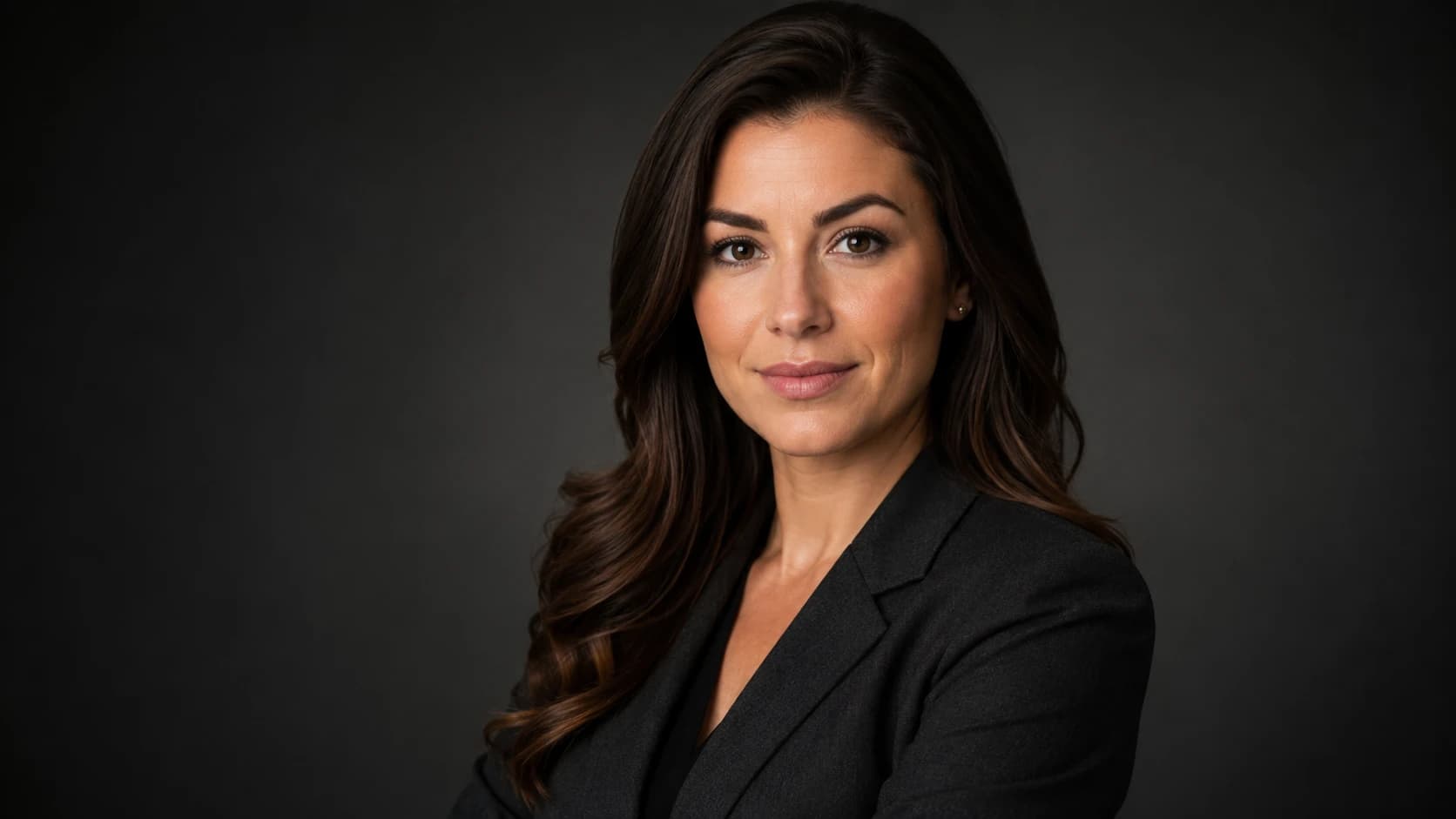
Startup Founder Headshots: How to Look Credible Without Looking Corporate

Introduction
Founder headshots have to do two jobs at once: signal that you can be trusted with money and momentum, while still looking like a real person people want to work with. That balance is different from a polished corporate portrait, and it is different again from a casual selfie. If your headshot reads as either stiff or careless, investors, early hires, and press contacts fill in the gaps for you.
The core answer is simple. Aim for a natural-looking, well-lit photo with an open expression, a clean but not sterile background, and wardrobe that matches your company's stage. You want to look prepared, not packaged. This guide breaks down what changes for a startup founder photo across LinkedIn, your company site, pitch decks, and press pages, plus a fast AI workflow so you and your co-founders can stay consistent without booking a studio.
Whether you are an indie maker or scaling past your seed round, the goal is the same: a credible, approachable image that holds up wherever your name appears.
Key Takeaways
- Credible beats corporate. Founders should look approachable and confident, not locked into rigid executive formality.
- Match your stage. A pre-seed maker and a Series B CEO can dress differently, but both need clean light and a sharp, natural expression.
- Consistency matters across the team. Co-founders and early hires should share background and lighting style so your company page looks intentional.
- Reuse everywhere. One strong founder headshot should work for LinkedIn, your website, decks, and press without reshooting.
Founder Headshot Requirements
A founder headshot appears in more places than most professional photos. It shows up on your LinkedIn profile, your company's team page, investor decks, accelerator directories, podcast and event bios, and press coverage. Each surface has slightly different framing needs, but the underlying image should be consistent enough that people recognize you instantly across all of them.
Because founders wear many hats, the photo has to communicate range. You are the person raising capital, closing early customers, and recruiting your first ten hires. So your expression should read as competent and warm at the same time. A closed, unsmiling look can feel guarded; an over-eager grin can undercut authority. The sweet spot is a relaxed, engaged expression with steady eye contact.
Technical requirements are practical:
- Framing: Head-and-shoulders or upper-chest crop, eyes in the upper third, face sharp and clearly lit.
- Resolution: High enough for print press and large web use, ideally 1000px or more on the short side.
- Background: Clean and uncluttered, so the image works on light and dark website themes.
- Format: A square crop for LinkedIn and directories, plus a wider version for site headers.
LinkedIn recommends a clear, recent photo where your face takes up most of the frame, which is a good baseline for any founder image (LinkedIn Help). Get the fundamentals right once and the same shot can carry your brand for a year or more.
AI Headshot Strategy for Founders

Most founders do not have time to coordinate a studio session, especially when co-founders live in different cities or work remotely. This is where an AI headshot workflow earns its place: you upload everyday photos, and the system generates polished, consistent portraits you can regenerate whenever your look or wardrobe changes.
The strategic advantage for startups is repeatability. When your whole founding team uses the same background family and lighting style, your company page and pitch deck look designed rather than assembled. That visual consistency signals operational care, which is exactly the impression early investors and hires look for. If you want to see how leadership-focused portraits are built, review an executive headshot style that fits board bios, speaker pages, and founder profiles.
A practical AI strategy for founders looks like this:
- Pick a shared style spec first. Decide on background (neutral gray or soft office), wardrobe tone, and framing before anyone generates images. This keeps a distributed team on the same page.
- Collect strong source photos. Each founder submits 5-20 clear, well-lit photos with varied angles and expressions. Quality of inputs drives quality of outputs.
- Generate and shortlist. Review batches for natural expression and skin texture, then pick two or three finalists per person.
- Standardize the crop. Export a square version and a wider version so every profile matches.
AI headshots trade live art direction for speed, consistency, and easy updates, which is usually the right tradeoff for a lean startup. For a deeper comparison of the two paths, see this breakdown of AI headshots versus a professional photographer. If you are curious about the underlying process, this explainer on how AI headshots work covers training and quality checks.
Create Professional Headshots in Minutes
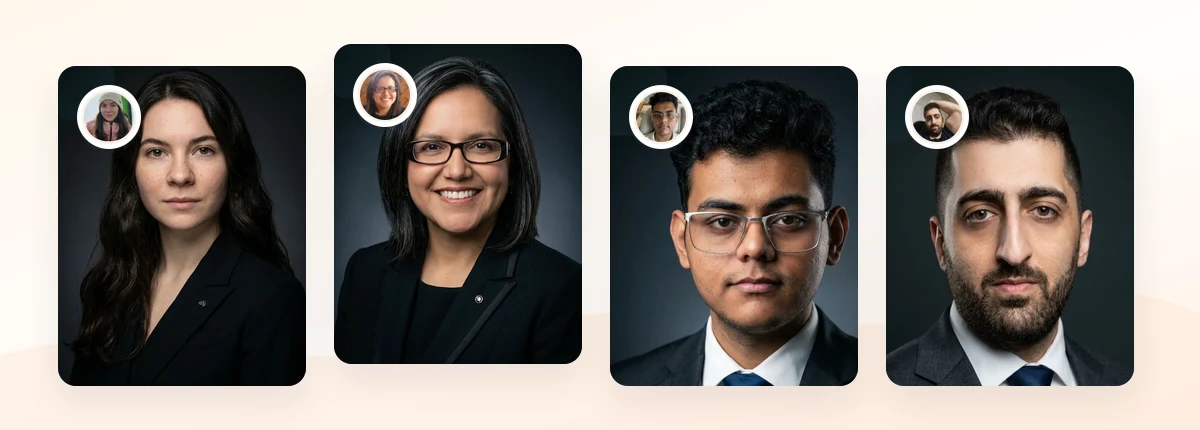
Upload 5-20 everyday photos and get 40-100 polished AI headshots for LinkedIn, resumes, company pages, and executive bios.
15-30 minute delivery • Full commercial rights • One-time payment
Get My Headshots →What Works for Founder Headshots
The strongest founder photos feel current, confident, and genuinely you. Here is what consistently works across startup contexts.
An open, engaged expression. A slight, natural smile or a calm, direct look signals confidence without arrogance. Founders benefit from looking like someone a customer would want to talk to, not just someone who runs a company.
Wardrobe that matches your stage and industry. A developer-tools founder in a clean crew-neck or button-down reads as authentic; a fintech founder may lean slightly more formal to signal trust. Solid, muted colors photograph best and keep attention on your face.
| Startup Stage | Recommended Look | Signal |
|---|---|---|
| Pre-seed / indie maker | Clean casual: crew-neck, simple button-down | Approachable, authentic |
| Seed / Series A | Smart casual: button-down or blazer optional | Credible, still human |
| Series B and beyond | Polished business casual: blazer, refined tone | Established, investable |
Backgrounds that stay out of the way. Neutral gray, soft-focus office, or clean outdoor light all work. The right choice depends on your brand personality; a warmer setting can feel more human for consumer startups. For a fuller comparison of options, this guide to headshot backgrounds covers when to use each.
Consistent framing across the team. When founders and early leaders share the same crop and light, your team page looks deliberate. For distributed teams, agreeing on shared standards early prevents a mismatched grid later, as covered in this guide to remote team headshots.
What to Avoid for Founder Headshots
Founder photos fail in predictable ways. Avoiding these keeps your image credible without tipping into stiff corporate territory.
- Over-formal, generic corporate look. A rigid suit-and-gray-backdrop portrait can make a young startup feel like it is trying too hard. Match the formality to your actual company, not an imagined one.
- Cropped group or event photos. A blurry shot cut from a conference photo signals you did not prioritize your own presentation. Founders set the tone; a careless photo suggests careless operations.
- Heavy filters or over-retouching. Skin that looks plastic or eyes that are obviously enhanced erode trust. Aim for natural-looking results, not an airbrushed avatar.
- Distracting backgrounds. Busy home clutter, harsh window glare, or a logo wall competes with your face and dates the photo.
- Inconsistent co-founder styles. One polished studio shot next to a dim webcam capture makes the team look uncoordinated.
- Outdated photos. A headshot from five years and one look ago creates a small credibility gap when you meet people in person.
The common thread is intention. You do not need a lavish shoot, but the image should look like you chose it on purpose. If you are unsure whether to include a photo at all in certain documents, this note on when a resume photo helps offers useful context for adjacent materials.
Step-by-Step: Optimizing Your Founder Headshot

Here is a repeatable process you can run solo or with co-founders in an afternoon.
- Define your positioning first. Write one sentence about how you want to come across, for example "approachable technical founder" or "trusted fintech operator." Every choice flows from this.
- Choose a shared style spec. Lock in background, wardrobe tone, and framing so every founder and early hire matches. Consistency is what makes a startup team page look intentional.
- Gather quality source photos. Collect 5-20 clear, well-lit images per person with varied angles and expressions. Avoid heavy sunglasses, hats, or dim lighting. This home-photo checklist on getting source photos right helps.
- Generate a batch. Produce a set of options, then filter for natural expression, sharp eyes, and realistic skin texture.
- Shortlist two to three finalists. Pick versions that look like you on a good day, not a stranger. Ask a colleague to gut-check which feels most trustworthy.
- Export in the right formats. Create a square crop for LinkedIn and directories, plus a wider version for your website header and press kit.
- Deploy consistently. Update LinkedIn, your company site, decks, and speaker bios with the same photo so recognition compounds.
- Refresh when your look changes. When you rebrand, change your look, or hit a new stage, regenerate rather than letting the photo drift out of date.
Following a set order keeps a distributed founding team aligned and prevents the mismatched grid that makes early companies look scattered. If you want inspiration from broader business examples, this walkthrough of business headshot examples and AI workflow pairs well with this process.
Create Professional Headshots in Minutes
Upload 5-20 everyday photos and get 40-100 polished AI headshots for LinkedIn, resumes, company pages, and executive bios.
15-30 minute delivery • Full commercial rights • One-time payment
Get My Headshots →Final Thoughts
Founder headshots work best when they look credible and human at the same time. Match your wardrobe and background to your company's stage, keep your expression open and confident, and agree with your co-founders on a shared style. Do that, and you present a startup that looks intentional rather than improvised. That impression follows your name across LinkedIn, your website, decks, and press.
Start with a small set of clear source photos, choose a style that fits your stage, and keep the same image everywhere so recognition builds over time. A strong professional founder photo is one of the cheapest, longest-lasting brand assets you can create. When you are ready to produce consistent portraits for your whole team, use the CTA block below to get started.
FAQ
What makes founder headshots different from corporate headshots?
Founder headshots balance authority with approachability. Corporate portraits often lean fully formal, but founders benefit from looking credible and human, matching their wardrobe and background to the company's actual stage rather than an imagined one.
Should startup founders smile in their headshots?
A slight, natural smile usually works best. It signals confidence and warmth, which helps with recruiting and early customers. A calm, direct look also works if it matches your brand, but avoid a closed or guarded expression.
Can AI headshots keep a founding team consistent?
Yes. When each founder uploads quality source photos and the team agrees on a shared background and lighting style, AI tools can produce matching portraits without coordinating a studio session across different cities.
How often should founders update their headshots?
Refresh your photo when you change your look, rebrand, or reach a new funding stage. An outdated photo creates a small credibility gap when people who saw your profile meet you in person.
What should founders wear for a headshot?
Match your stage and industry. Indie makers and early founders can wear a clean crew-neck or button-down, while later-stage founders may add a blazer. Solid, muted colors photograph best and keep attention on your face.